


Throughout history, LGBTQIA+ activists have been at the forefront of social change, working to make the world a fairer, more inclusive place.
In honour of Pride Month, we have designed this quiz to raise awareness of historical milestones across different communities within the LGBTQIA+ spectrum, showcase intersectionality, and promote inclusivity in all areas of life.
Take the quiz now to discover if you are a LGBTQIA+ ally.
Results


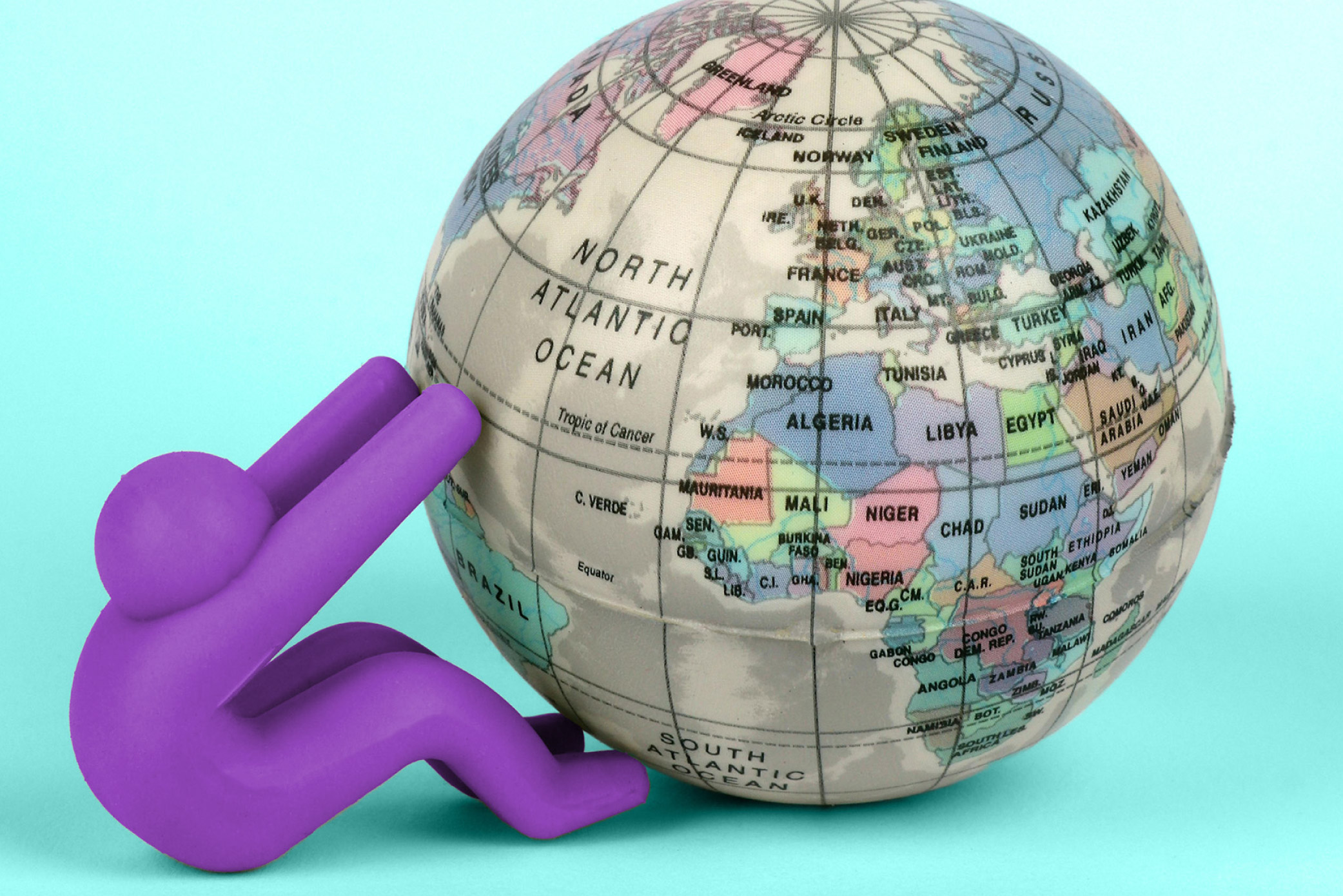
#1. What was the first country to legalise same-sex marriage?
Answer: “B. The Netherlands”
A significant milestone in LGBTQIA history was reached in 2001 when Queen Beatrix signed a law making the Netherlands the first country in the world to legalise same-sex marriage.
This landmark decision set the stage for similar legislation in countries across the globe and remains a defining moment in the fight for marriage equality.

#2. Section 11 of the Criminal Law Amendment Act (1885), more commonly known as the Labouchere Amendment, criminalised “gross indecency” between men in the UK. Which celebrated author was among the first to be prosecuted under this act?
Answer: “C. Oscar Wilde”
Poet and playwright Oscar Wilde, perhaps best known for his 1890 novel The Picture of Dorian Gray, was outed by the father of his lover, Lord Alfred Douglas.
The resulting court case became one of the first high-profile celebrity trials.
Wilde was convicted of sodomy and gross indecency and sentenced to two years of hard labour. In 2017, he was posthumously pardoned under the Alan Turing Law, which acknowledged the injustices faced by thousands of men criminalised for their sexuality.
#3. Which historical event began in Greenwich Village, New York, on June 27th, 1969, and is widely regarded as the start of the modern LGBTQIA+ rights movement?
Answer: “C. The Stonewall Rebellion”
After years of police harassment and marginalisation, LGBTQIA people stood up against a violent police raid at the Stonewall Inn, a gay bar in New York City.
The ensuing protests sparked several days of civil unrest.
In the weeks and months that followed, activists around the world came together, forming new community organisations and laying the foundation for the global Pride movement.

#4. Which female tennis legend and LGBTQIA+ activist defeated Bobby Riggs in the famous televised “Battle of the Sexes” match, cementing women’s place as serious competitors in elite sports?
Answer: “A. Billie Jean King”
In 1973, Billie Jean King defeated former Wimbledon champion Bobby Riggs in a match watched by over 90 million people.
Her victory not only struck a blow against sexism in sport but also helped pave the way for gender equality in athletics.
Off the court, King has also been a tireless advocate for LGBTQIA rights and inclusion in sport and beyond.
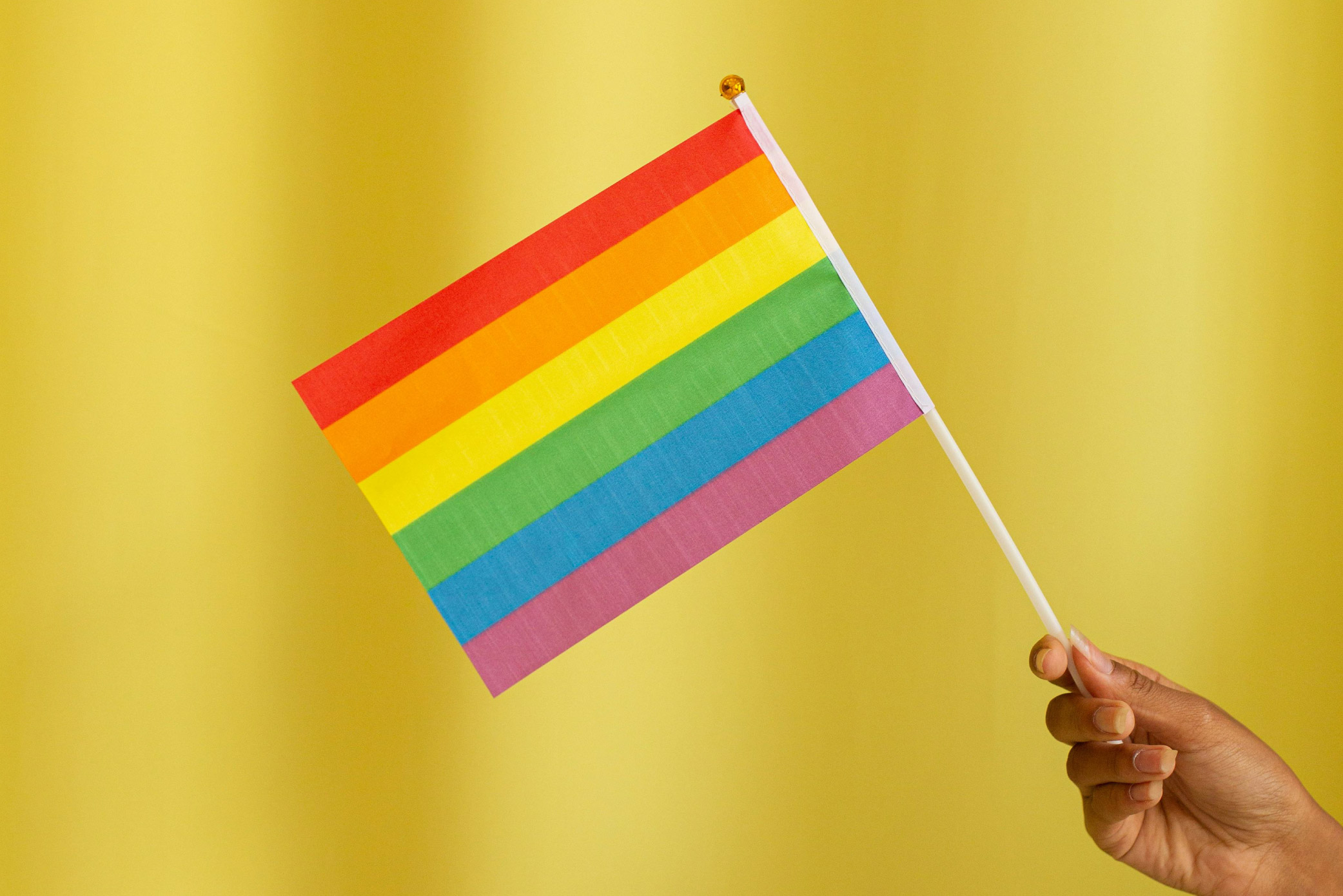
#5. The first incarnation of the Rainbow Pride flag was created by Gilbert Baker in which year?
Answer: “B. 1978”
Gilbert Baker, a U.S. Army veteran and activist, began sewing banners for anti-war and gay rights protests.
In 1978, he designed the original Rainbow Pride flag for San Francisco’s Gay Freedom Day Parade.
The flag initially had eight colours, each representing a different aspect of queer identity. A year later, it was adapted to the six-colour version that is now recognised worldwide.
#6. What does the term “intersectionality” refer to when we talk about LGBTQIA+ advocacy?
Answer: “B. Overlapping social identities that contribute to discrimination or privilege”
Coined by legal scholar Kimberlé Crenshaw, “intersectionality” is a framework for understanding how multiple aspects of a person’s identity — such as race, gender, sexuality, class, and disability — intersect to shape their experiences of discrimination or privilege.
In LGBTQIA advocacy, it reminds us that the fight for equality must address the unique challenges faced by marginalised groups within the community.
#7. In what year did the World Health Organization remove homosexuality from its list of mental disorders?
Answer: “C. 1990”
It may surprise you to learn that the World Health Organization did not declassify homosexuality as a mental illness until 1990.
This decision marked a turning point in global attitudes towards LGBTQIA people.
May 17th, the date of the removal, now marks the International Day against Homophobia, Biphobia, and Transphobia. It is observed in over 130 countries.

#8. Who was the first openly transgender person to be nominated for an Academy Award?
Answer: “C. Yance Ford”
In 2018, Yance Ford made history as the first openly transgender director to be nominated for an Oscar with the documentary Strong Island.
The film explores themes of race, identity, and grief, and Ford’s nomination marked a breakthrough for transgender representation in the film industry.
#9. What did the pink triangle symbol, now reclaimed by the LGBTQIA+ community, originally represent?
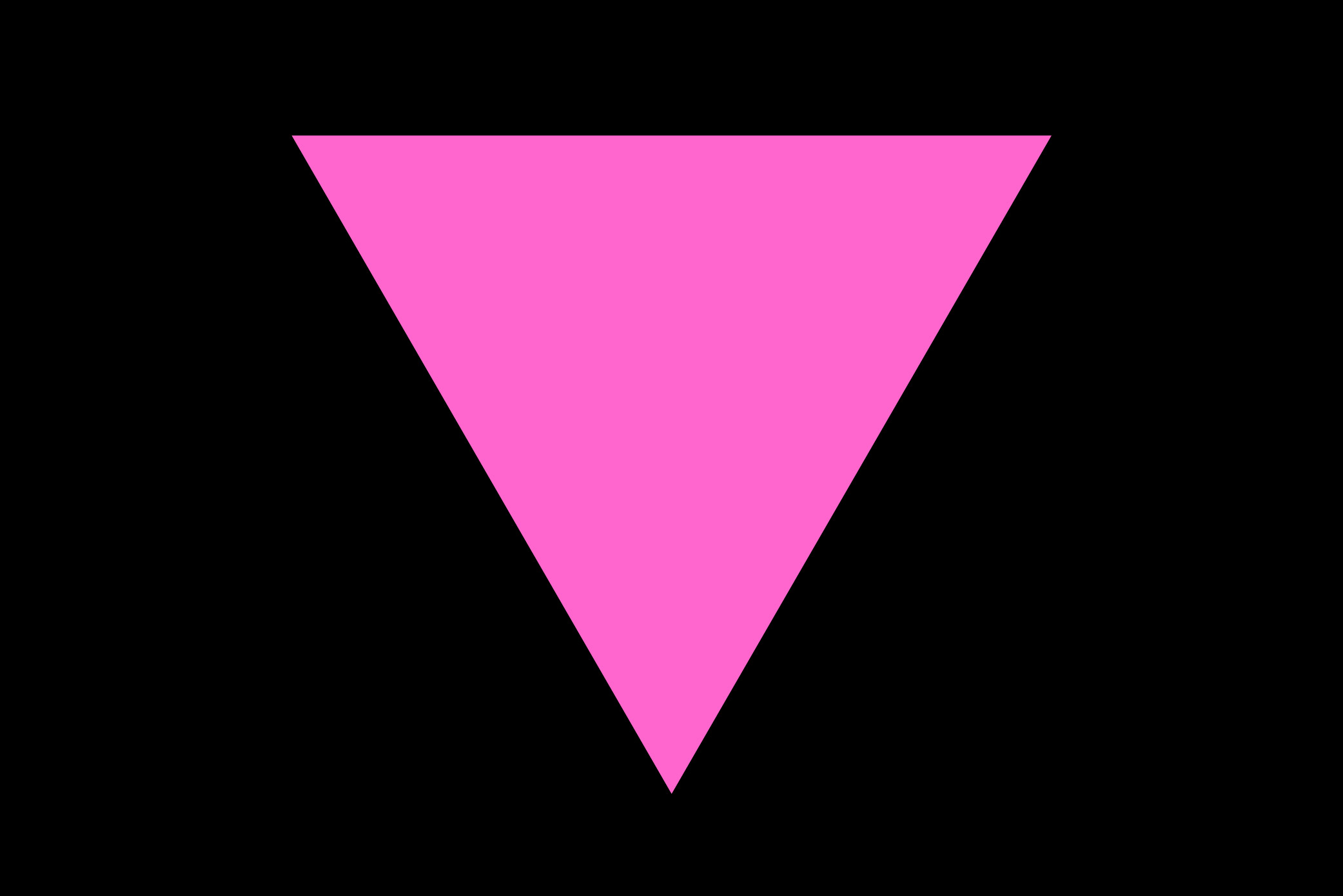
Answer: “C. A Nazi-era marker for homosexual prisoners”
During World War II, the Nazis used a system of coloured triangles to categorise prisoners in concentration camps.
The pink triangle was used to identify and persecute gay men.
In later decades, the LGBTQIA community reclaimed the symbol as an act of resistance and remembrance.
#10. Who was the Black trans activist that played a key role in the Stonewall Uprising and later co-founded STAR (Street Transvestite Action Revolutionaries)?
Answer: “A. Marsha P. Johnson”
Marsha P. Johnson was a central figure in the fight for LGBTQIA+ rights in the 1960s and 70s. Along with Sylvia Rivera, she founded STAR to support homeless trans youth and advocate for trans inclusion in the broader LGBTQIA+ movement.
#11. What was the first country in the world to introduce a “third gender” option on official documents?
Answer: “A. Nepal”
In 2007, Nepal became the first country to legally recognise a third gender on official documents, affirming the identity of people who do not identify as male or female.
This policy was a landmark in recognising gender diversity and protecting non-binary rights.

#12. Which UK law, repealed in 2003, banned the “promotion of homosexuality” in schools?
Answer: “B. Section 28”
Enacted in 1988 under Margaret Thatcher’s government, Section 28 prohibited the “promotion of homosexuality” by local authorities and schools.
The law contributed to a culture of silence and shame. It was eventually repealed in Scotland in 2000 and in the rest of the UK by 2003 after years of activism.
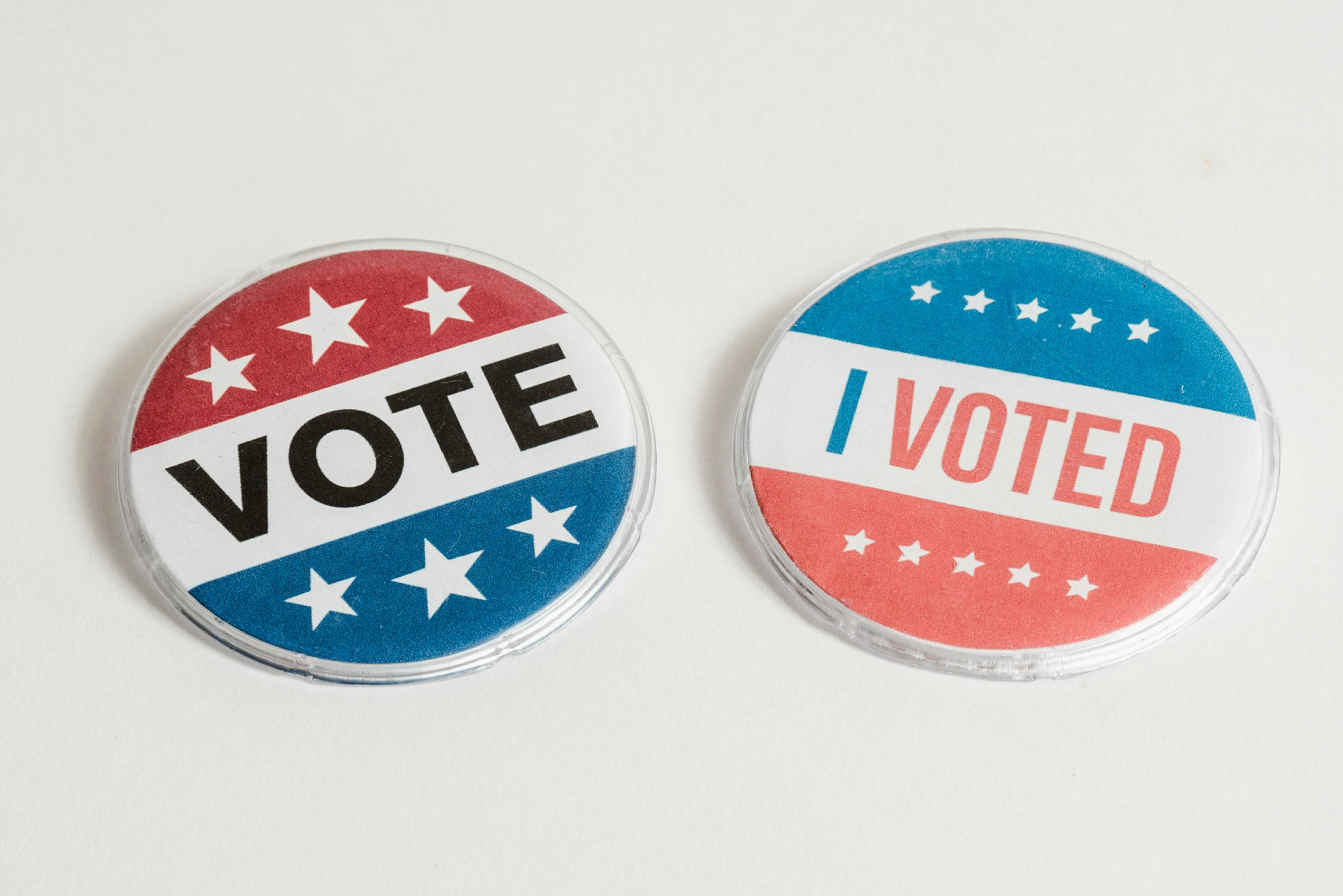
#13. Who was the first openly gay person elected to public office in the United States?
Answer: “A. Harvey Milk”
Harvey Milk was elected to the San Francisco Board of Supervisors in 1977, becoming one of the first openly gay elected officials in the United States.
His visibility and advocacy for LGBTQIA rights made him an icon, and his assassination in 1978 sparked widespread mourning and mobilisation.
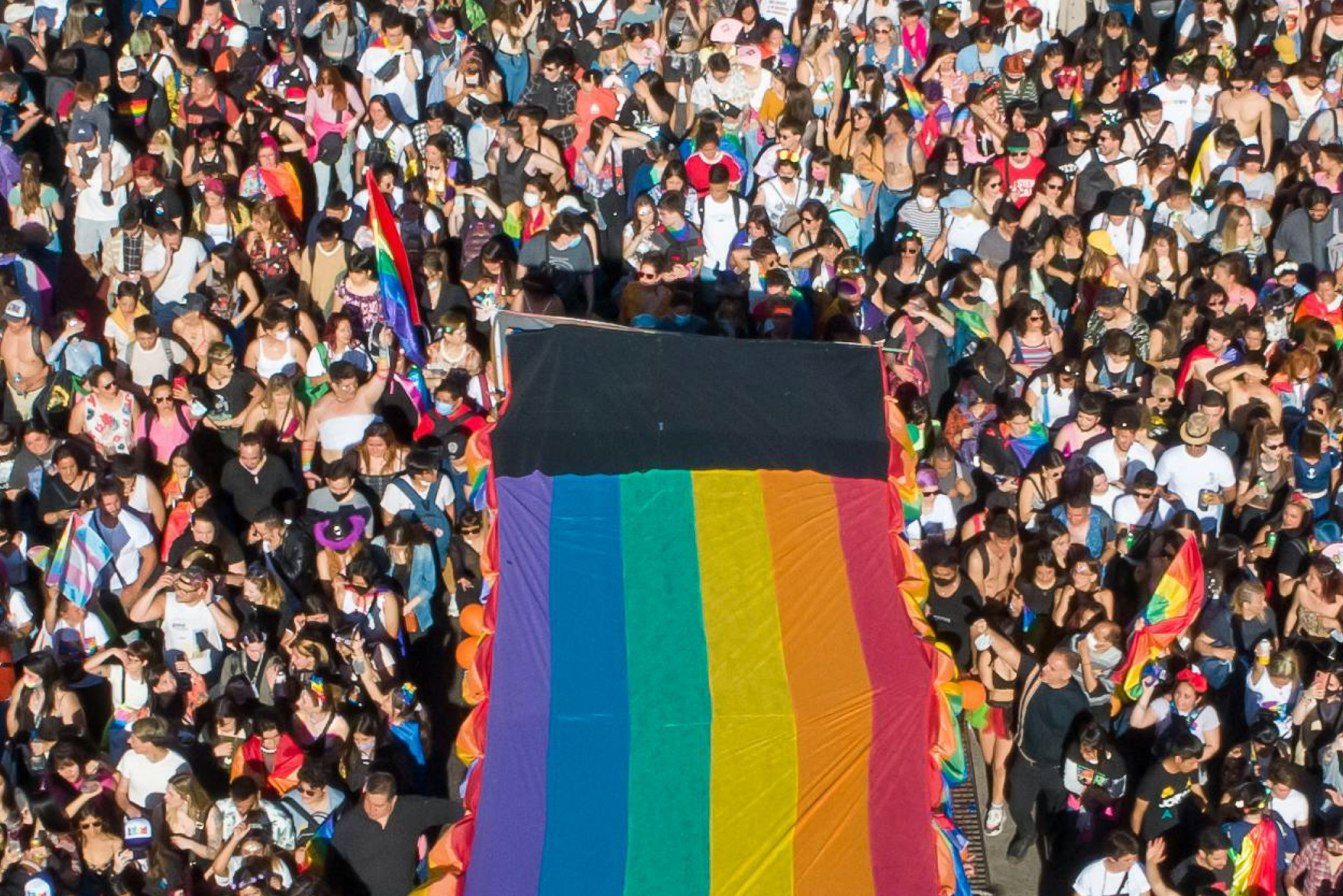
#14. What major event prompted global action and funding for LGBTQIA+ healthcare in the 1980s and 1990s?
Answer: “A. The AIDS epidemic”
The HIV/AIDS crisis disproportionately affected gay and bisexual men and exposed deep inequalities in healthcare and public policy.
Activist groups such as ACT UP pushed for funding, research, and compassion. The global response helped shape LGBTQIA health rights activism that continues today.

#15. What was the Lavender Scare?
Answer: “B. A 1950s campaign to remove LGBTQIA people from U.S. government jobs”
The Lavender Scare ran parallel to the Red Scare, during which LGBTQIA individuals were targeted as security risks and purged from federal employment.
This discriminatory campaign contributed to decades of silence, shame, and marginalisation within American institutions.


