



August 3, 2026

Est 6 min
In today’s blog, you will read about:
- How digital accessibility needs to expand into the physical world
- Practical examples of barriers in events, supermarkets, clinics, shops, restaurants and hotels
- The importance of continuity in the accessible experience, from the click to real life
- The role of technology and artificial intelligence in the rise of accessibility
- Why accessibility is a human right and not a luxury
Imagine booking a hotel through a website that is fully accessible. Finding information is easy, completing the reservation is straightforward, and every step of the booking process works seamlessly with assistive technology.
Now imagine arriving at the hotel only to find a reception desk that is too high to use comfortably, a restaurant menu available only through an inaccessible QR code, and staff who are unsure how to support guests with different access needs.
Somewhere between the first click and the final destination, accessibility disappeared.
At Passion4Social, we often write about digital accessibility because it is at the heart of what we do. We help organisations create websites, digital content and online experiences that are accessible to everyone.
However, accessibility does not stop at a website. It should follow people throughout their entire journey.

Why inclusion should continue beyond the screen
Today, accessibility is moving beyond websites and apps. It is becoming part of products, services, public spaces and everyday experiences.
In other words, accessibility is no longer only about the digital world, but also about designing a world where inclusion continues wherever people go.
This shift matters because accessibility is not a niche requirement. According to the World Health Organization, around 1.3 billion people or one in every six people worldwide, live with a significant disability. As populations age, this number continues to grow.
Accessibility benefits far more than people with disabilities. Parents pushing prams, older adults, someone recovering from surgery or anyone carrying heavy shopping can all benefit from environments designed with inclusion in mind.
Let us look at what happens when accessible digital experiences continue into the physical world.
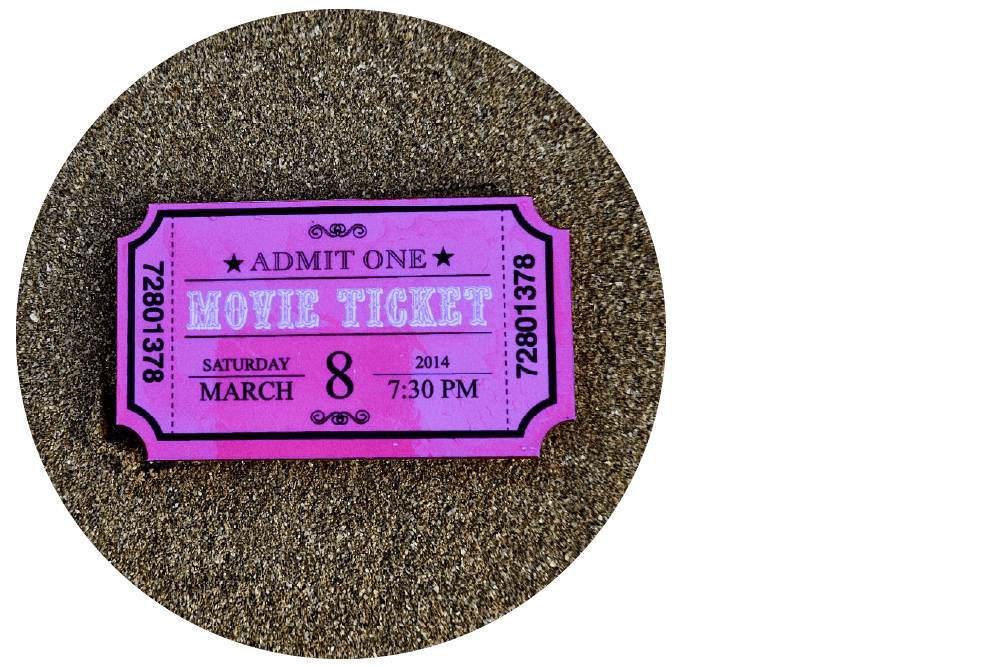
Buying tickets for an event
Today, purchasing tickets rarely requires visiting a box office. Most people expect an accessible booking process, from choosing seats using a screen reader to receiving a digital ticket without barriers.
However, the experience does not end once the purchase is complete. The venue itself should be equally accessible, with step-free access, clear signage, live captions, British Sign Language interpretation where appropriate, audio description, quiet spaces where needed and staff who understand inclusive customer service.
A website can sell an accessible experience, but the venue must deliver it.

Grocery shopping
An accessible supermarket app allows customers to search products, organise shopping lists and complete purchases independently.
Yet accessibility can quickly disappear when the groceries arrive. Packaging that is difficult to open, tiny printed instructions, poor colour contrast or the absence of tactile markings can create unnecessary barriers.
Accessibility should not stop at the checkout; it should continue all the way to the kitchen table.

Booking a medical appointment
Many healthcare providers now offer accessible online booking systems with clear forms and confirmation emails. The challenge begins when patients arrive.
Self-service kiosks may not be accessible, waiting rooms may rely solely on spoken announcements, signage can be confusing, and paper forms may exclude people who need alternative formats.
Accessible healthcare means providing an inclusive experience from the first appointment request to the final consultation.
Our blog, ‘When accessibility is an afterthought: Patients pay the price’ recounts one colleague’s experience of attempting to navigate online GP services within the NHS.

Shopping for clothes online
An online clothing retailer may offer an excellent accessible website, but the physical product also matters.
Labels should be easy to read, packaging should be simple to open, and garments should consider different mobility, dexterity and sensory needs.
Inclusive fashion is not only about style but also about ensuring people can wear, remove, and enjoy clothing independently whenever possible.

Ordering takeaway food
Accessible food delivery apps make it easier for people to order meals independently.
However, if the packaging is almost impossible to open, lacks tactile identification or provides nutritional information only in inaccessible formats, the experience becomes frustrating.
Eating is one of the most basic human activities, and it should also be one of the most inclusive.
Many people without disabilities become frustrated by difficult packaging. For someone with reduced strength, arthritis or limited dexterity, that frustration can become a genuine barrier to independence.

Booking a hotel
An accessible booking journey should continue long after the confirmation email arrives.
A hotel may clearly describe its accessible rooms online, but the experience must remain consistent on arrival. Reception desks, lifts, restaurant menus, emergency information and guest services should all be designed with accessibility in mind.
When accessible physical spaces match digital accessibility, organisations build something even more valuable than compliance. They build trust.
Guests know they can rely on the experience from beginning to end, rather than wondering where the next barrier might appear.
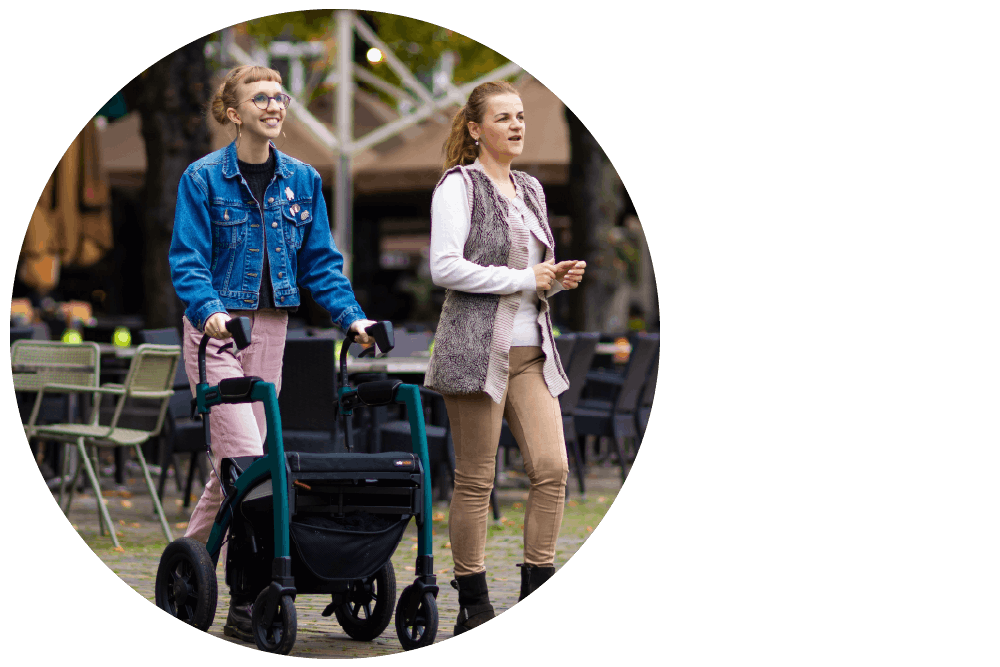
Accessibility is a journey, not a checklist
Artificial intelligence is already helping improve accessibility through automatic captions, image descriptions, voice recognition and content simplification.
These innovations are exciting, but technology alone is not enough.
Every digital improvement should translate into an equally accessible real-world experience.
Our free webinar, ‘AI for Good: Ethics, Inclusion and Sustainability’, explores the ways in which AI is shaping our society, especially for people with disabilities and other marginalised communities.

Final considerations
Accessibility is not an additional feature, no. It is not a luxury as well. It is not something designed for a small group of people. Accessibility is a human right, and it is about creating consistent experiences that allow everyone to participate with dignity and independence.
Every accessible journey begins somewhere. Often, it begins with a website.
However, no journey ends there. Accessibility should travel with people from the very first click to every interaction that follows.
That is what ‘Accessibility beyond websites: The rise of accessible everything’ truly means. It is not simply the title of this article.
It is an invitation to rethink how we design products, services and experiences, ensuring that accessibility does not stop at the screen, but becomes part of everything we create.
Share via social media:


You may also like...

Accessible Content Does Not Need to Be Dull
Who says accessible content has to be boring? Some people...


Digital Accessibility in Action: The Platforms, Creators and Advocates Amplifying Disabled Voices
As we tell anyone who will listen, creating accessible digital...

What you need to know about WCAG 3.0
October 28, 2026 , 12 pm - 1 pm GMT

Accessible images: The art of alt text
November 25, 2026 , 12 pm - 1 pm GMT

Overlays vs lived experience users: Shortcut or setback?
August 26, 2026 , 12 pm - 1 pm BST

When “Save as PDF” isn’t enough: Why accessible PDFs require knowledge, planning, testing and time
In this article, you will discover: Polished-looking PDFs are not...

Digital poverty: Its impact and strategies for the future
September 23, 2026 , 12 pm - 1 pm BST

The EAA one year on: What has really changed?
In this blog, you will read about: What has really...

The sales you never got to see and why digital accessibility could be the reason
How sales can be lost without ever appearing in your...

When accessibility is an afterthought: Voting remains a postcode lottery for disabled voters
In this blog, you will discover: How accessible voting exists...

Quick wins: 10 accessibility fixes you can implement now
In some circles, digital accessibility has a bad reputation, but...

The European Accessibility Act
A practical guide to the European Accessibility Act, explaining what...

Exploring assistive tech in cyber security tools
With CYBERUK 2026 on the horizon, Net-Defence and Passion4Social CIC...

Who is being left behind? The entry point is digital
Digital inaccessibility is a significant structural barrier that widens the...

When accessibility is an afterthought: Patients pay the price
Government organisations and institutions spend millions on cybersecurity, protecting their...

Accessibility Quiz
Our quiz assesses accessibility maturity across strategy, testing, culture, and...

The Accessibility for All project: Creating paid digital careers for people facing exclusion
Just 5.5 million disabled people are in employment, yet more...

AI for Good: Ethics, Inclusion and Sustainability
Join Passion4Social for a practical, interactive webinar exploring the ways in which AI is shaping...

Making Social Media Accessible
This short video provides a practical introduction to making social media more accessible, aimed especially...

Digital Accessibility and the Law
Join Passion4Social for a practical 60-minute webinar exploring the intersection of digital accessibility and the...


