March 23, 2026

Est 6 min
Digital inaccessibility is a significant structural barrier that widens the gender gap; yet it often goes undetected
With essential everyday activities like working and studying increasingly happening online, technology has become another source of exclusion for women, especially disabled women.
They are disproportionately affected, facing exclusion at the intersection of gender and accessibility, which silently blocks their participation in opportunities like online courses or job applications.
Exclusion stems from a limited perspective in design and treating accessibility as a technical detail or a “final adjustment,” rather than the foundation of digital infrastructure.
True gender equity requires integrating accessibility from design to strategic decisions to guarantee access for all women.
Passion4Social offers an accessibility check service to help organisations ensure their online content is truly accessible.
March is the month in which we celebrate women’s achievements.
We talk about the right to vote, leadership, participation in the workforce, and financial independence.
Digital accessibility and the gender gap exist both individually and simultaneously, and we do not need to look far to recognise this.
Certainly, you, someone close to you, or an acquaintance will have experienced one or the other, if not both, of these situations of exclusion.
Much is said about it, but there is a question that rarely appears in these conversations: What happens when the entry point to all of this, the digital world, is not accessible?
Today, studying, working, running a business, booking a medical appointment, opening a bank account, or enrolling on a course happens online.
Technology is no longer merely a support tool.
It has become social infrastructure, and inaccessible infrastructure is exclusionary.
The exclusion that does not appear in reports
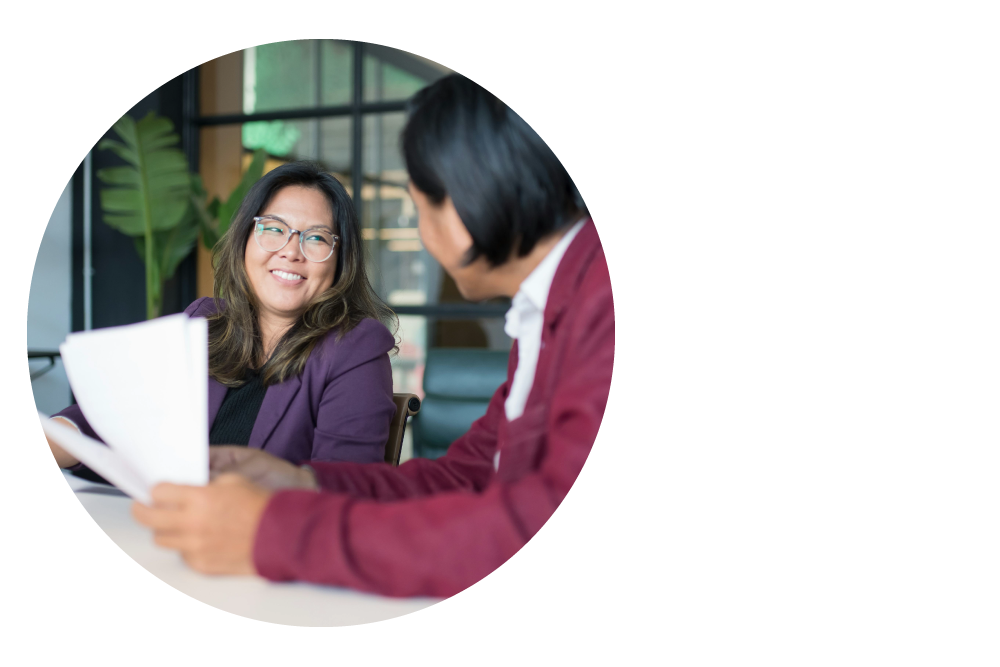
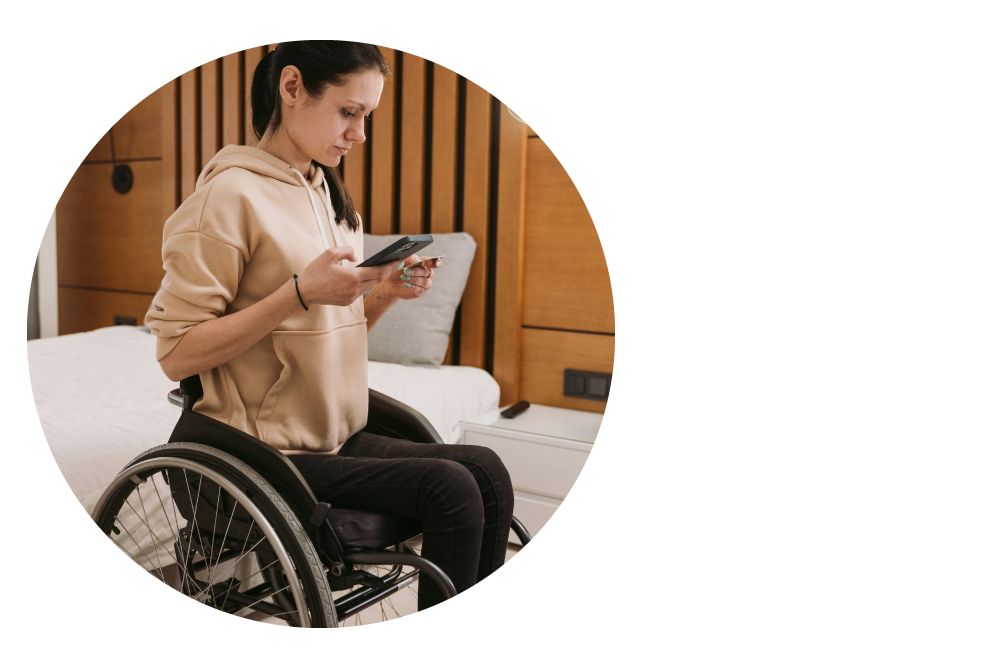
Imagine this scenario: A disabled woman decides to change careers and finds an online course that could transform her professional path, but:
- The website does not work properly with a screen reader
- The buttons are not labelled
- The form freezes when she tries to navigate using a keyboard
- The explanatory video has no captions
The enrollment deadline passes before she is able to complete the process.
In short, she is left excluded from the process.
People will say or think: “Oh, she gave up” – a very common phrase in people’s minds and everyday speech.
No, she did not “give up” because she lacked the will.
She gave up because she could not proceed.
The system forced her to give up.
Do you see the difference?
This abandonment does not appear in the metrics; it does not show up in performance reports, yet it is excluded nonetheless.
When we talk about the gender gap, we rarely address this invisible layer.
Women with disabilities live at the intersection of two inequalities: gender and accessibility.
In singular terms, being a woman already generates exclusion and differentiation.
If you add a disability, the gap increases dramatically, and in digital environments, that intersection becomes even greater and more silent, because online exclusion does not publicly embarrass.
It simply blocks access and moves on as if nothing had happened.

When design decides who participates
Think of a single mother trying to access a welfare benefit on her mobile phone while balancing work and children.
If the website requires extreme precision when tapping, if the session times out quickly, if the language is overly technical, who was considered in the design of that experience?
Think of an entrepreneur who depends on digital platforms to sell.
If those tools are not compatible with assistive technologies, her financial independence is directly affected.
Think of a highly qualified professional participating in an online recruitment process.
If the digital test does not allow proper navigation or if the video platform does not offer accessibility features, we are not assessing competence; we are filtering by access.
The digital divide is also an opportunity divide.
Inclusion needs to stop being a discourse and become infrastructure.
Many organisations advocate for gender equality while their own digital ecosystems create structural barriers, not out of bad intention, but out of a lack of priority.
Accessibility is still treated as a technical detail, as something to be “checked later”, a final adjustment.
When accessibility is the foundation, not the finishing touch.
When we speak about an accessibility check, we mean examining whether your digital environment enables full participation.
Whether it sustains, in practice, the values your brand communicates.
Women’s inclusion is not measured solely by a March campaign.
It is shown in the everyday experience of women and women with disabilities.
An accessible platform means:
- A student can complete a course independently
- A professional woman can apply for a role without invisible barriers
- A customer can make decisions without relying on others to assist them
That is independence, and independence is a pillar of gender equity.
Who is building the digital future?
There is another layer to this conversation: who is making the decisions about digital products?
Women remain underrepresented in technology.
Women with disabilities are even more so.
When the teams building solutions do not reflect the diversity of the people who will use them, gaps emerge.
Not out of ill will or the intent to favour some people over others, though it does happen very occasionally, but often out of limited perspective.
Technology is never neutral.
It carries the choices of those who develop it, and each choice shapes who is able to participate and who is left out.

Women’s History Month is also about tomorrow
We celebrate women who paved the way.
However, today, many of those pathways run through digital environments.
If those environments are not accessible, we are building bridges with structural flaws.
The question is not only, ‘Do we support women?’, but also: do our systems allow all women to participate?
Equity does not happen just through giving someone a voice; it happens when we guarantee access.
The commitment starts earlier
True accessibility expertise lies in anticipating barriers before they become exclusion.
It lies in integrating accessibility from design to content and into strategic decisions.
It starts with an accessibility check, but it does not end there.
Accessibility is a process, a culture, and an ongoing commitment.
If we want to reduce the gender gap, we must look at the infrastructure that sustains opportunity.
We must recognise that every form, every button, every video, and every digital journey communicates who was considered and who was not.
Passion4Social offers this accessibility check service to facilitate this stage of the process for companies, organisations, institutions, and anyone who needs and wants to ensure their online content is truly accessible.
We can help you.
In the end, the question is simple: How many women stopped studying, working, building a business, or applying for an opportunity because the digital experience failed them?
They do not appear in reports, but they exist.
Perhaps, true commitment to equity begins when we choose to see them and act before they are excluded again.
Think about it and do your part by doing things differently, by including.
Share via social media:


You may also like...
10 simple steps to writing accessible content
Learn how to make your content easier to find, understand,...

Teaching digital accessibility early: The future of inclusive education
In this article: Why accessibility should be integrated in education...
Accessibility beyond websites: The rise of accessible everything
In today’s blog, you will read about: How digital accessibility...

Accessible Content Does Not Need to Be Dull
Who says accessible content has to be boring? Some people...

Digital Accessibility in Action: The Platforms, Creators and Advocates Amplifying Disabled Voices
As we tell anyone who will listen, creating accessible digital...

What you need to know about WCAG 3.0
October 28, 2026 , 12 pm - 1 pm GMT

Accessible images: The art of alt text
November 25, 2026 , 12 pm - 1 pm GMT

Overlays vs lived experience users: Shortcut or setback?
Explore the arguments for two powerful approaches to digital accessibility: the convenience of automated overlays...

When “Save as PDF” isn’t enough: Why accessible PDFs require knowledge, planning, testing and time
In this article, you will discover: Polished-looking PDFs are not...

Digital poverty: Its impact and strategies for the future
Explore the everyday reality of being left behind in a digital-first age, and reimagine a...

The EAA one year on: What has really changed?
In this blog, you will read about: What has really...

The sales you never got to see and why digital accessibility could be the reason
How sales can be lost without ever appearing in your...

When accessibility is an afterthought: Voting remains a postcode lottery for disabled voters
In this blog, you will discover: How accessible voting exists...

Quick wins: 10 accessibility fixes you can implement now
In some circles, digital accessibility has a bad reputation, but...

The European Accessibility Act
A practical guide to the European Accessibility Act, explaining what...

Exploring assistive tech in cyber security tools
With CYBERUK 2026 on the horizon, Net-Defence and Passion4Social CIC...

When accessibility is an afterthought: Patients pay the price
Government organisations and institutions spend millions on cybersecurity, protecting their...

Accessibility Quiz
Our quiz assesses accessibility maturity across strategy, testing, culture, and...

The Accessibility for All project: Creating paid digital careers for people facing exclusion
Just 5.5 million disabled people are in employment, yet more...

AI for Good: Ethics, Inclusion and Sustainability
Join Passion4Social for a practical, interactive webinar exploring the ways in which AI is shaping...