


September 2, 2024

Est 4 min
Disabled people are underrepresented in politics. They face barriers when seeking elected office despite the advances in accessibility, often because they have no word in the decision-making process. This blog explores ongoing challenges and the importance of inclusivity, using examples to discuss the drawbacks and celebrate progress.

The importance of representation
Political representation ensures the government is acting on its citizens’ behalf by listening to all voices and considering the interests of all communities. However, there is a shortage of representatives who understand the lived experiences of disabled people.
We will now look at the examples of some of the barriers that people with disabilities are dealing with.
Barriers to political office
- Physical and Architectural Accessibility. Campaign locations and government buildings often have poorly designed accessible features, provided they have them at all. People have reported a lack of parking for Blue Badge holders, no step-free walks, polling cards without a large print option, no accommodation for assistance dogs—the list goes on—even though the venue was marked as “Accessible” on the internet. “Accessible” can mean that there is a wheelchair ramp, but it doesn’t necessarily mean there’s anything more than that.
- Digital Accessibility. Many digital platforms and campaign tools are designed without accessibility features. Alternative text, closed-captioned videos, audio materials, and sufficient contrast and clear navigation options allow more people to interact with the content. It can help promote campaigns better and reach out to a wider audience.
- Stigmatisation and Prejudice. Generally, society tends to underestimate—or exaggerate—the capabilities of disabled people. It’s not rare to come across a post on the internet that calls a person in a wheelchair a “hero”, or a heated discussion about sick notes where disabled people are labelled as “lazy” or “weak”. Both prejudices show a disconnection between common misconceptions and reality. Eventually, this disconnection leads to misunderstanding and a lack of support for disabled candidates’ true values, diminishing their chances of being elected.
- Inadequate Support and Resources. Disabled candidates encounter insufficient support from political parties. This includes limited financial resources and a lack of specialised assistance for running effective campaigns.

The importance of political representation for society
When disabled people become politicians, they bring a unique perspective and promote a more equitable and inclusive system. At the same time, citizens with disabilities feel visible and empowered when they see someone with similar experiences in prominent roles.
Moreover, disabled politicians can bridge the gap between those with and without disabilities in areas such as healthcare, government support, wages, mobility, and access to education. It fosters a positive trend where proposed improvements in accessibility are implemented better because they are reviewed and approved by disabled people themselves.

Case study: Pam Duncan-Glancy
A notable figure in the context of disability representation is Pam Duncan-Glancy. As the first permanent wheelchair user elected to the Scottish Parliament, she sheds light on the challenges disabled people face. Duncan-Glancy has been an advocate for greater inclusivity and accessibility, using her platform to address the barriers faced by disabled individuals in politics.

A representative effort
Pam Duncan-Glancy is one of the key figures behind the Children and Young People with Disabilities (Transitions to Adulthood) Bill in Scotland, which commenced its debates in 2023. This bill aims to enhance support and transition services for young people with disabilities. It proposes measures to ensure they receive the necessary assistance as they move from school to adulthood, including university education, employment, and social services.
About the Bill
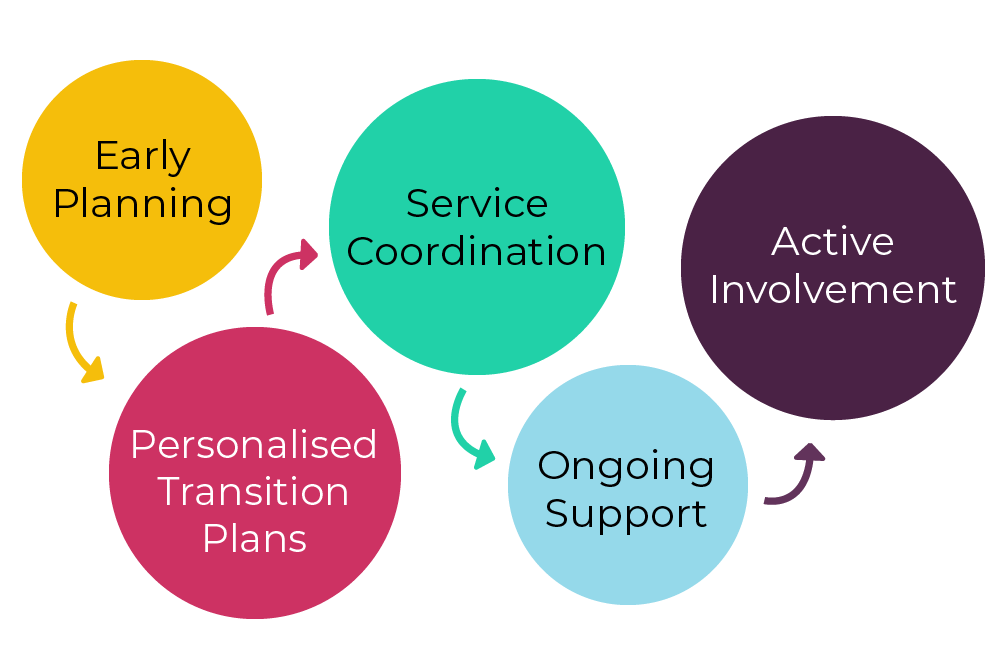
The main points of the Children and Young People with Disabilities (Transitions to Adulthood) Bill in Scotland include:
- Early Planning: Effective planning for the transition of young people with disabilities from school to adulthood.
- Personalised Transition Plans: Each young person should have a personalised transition plan tailored to their specific needs.
- Service Coordination: Coordination among schools, health services, local authorities, and other relevant services to ensure a smooth transition.
- Ongoing Support: Ensures that support does not end abruptly upon reaching adulthood but continues as needed throughout the transition.
- Active Involvement of Young People and Families: Encourages active involvement of young people and their families in the planning and decision-making process.

Moving forward
Despite progress, there is still a lot of work to do. Increasing the number of disabled individuals in political office is essential for achieving equity. It can challenge societal prejudices and help us create a more inclusive political landscape.
We need to encourage more people with disabilities to stand for political positions. Their life experiences have been overlooked, so they need more representatives to influence legislation and expedite the implementation of disability policies.
We must collectively strive to break down barriers and support true equity. By understanding and addressing the challenges faced by disabled candidates, we can foster a political environment where everyone has the opportunity to make a difference.
Share via social media:


You may also like...
Teaching digital accessibility early: The future of inclusive education
In this article: Why accessibility should be integrated in education...

Accessibility beyond websites: The rise of accessible everything
In today’s blog, you will read about: How digital accessibility...

Accessible Content Does Not Need to Be Dull
Who says accessible content has to be boring? Some people...

Digital Accessibility in Action: The Platforms, Creators and Advocates Amplifying Disabled Voices
As we tell anyone who will listen, creating accessible digital...

What you need to know about WCAG 3.0
October 28, 2026 , 12 pm - 1 pm GMT

Accessible images: The art of alt text
November 25, 2026 , 12 pm - 1 pm GMT

Overlays vs lived experience users: Shortcut or setback?
August 26, 2026 , 12 pm - 1 pm BST

When “Save as PDF” isn’t enough: Why accessible PDFs require knowledge, planning, testing and time
In this article, you will discover: Polished-looking PDFs are not...

Digital poverty: Its impact and strategies for the future
September 23, 2026 , 12 pm - 1 pm BST

The EAA one year on: What has really changed?
In this blog, you will read about: What has really...

The sales you never got to see and why digital accessibility could be the reason
How sales can be lost without ever appearing in your...

When accessibility is an afterthought: Voting remains a postcode lottery for disabled voters
In this blog, you will discover: How accessible voting exists...

Quick wins: 10 accessibility fixes you can implement now
In some circles, digital accessibility has a bad reputation, but...

The European Accessibility Act
A practical guide to the European Accessibility Act, explaining what...
Considering diversity in cyber security: Designing inclusive systems for disabled and neurodivergent users
Cyber security is no longer something that works away unobtrusively...
When a click becomes exhausting: The hidden mental health cost of inaccessible design
Inaccessible digital design carries a hidden mental health cost, moving...
Technical expertise built on lived experience: Why our testers notice what others miss
Authentic accessibility goes beyond technical terminology or compliance with legal...

Exploring assistive tech in cyber security tools
With CYBERUK 2026 on the horizon, Net-Defence and Passion4Social CIC...

Who is being left behind? The entry point is digital
Digital inaccessibility is a significant structural barrier that widens the...

When accessibility is an afterthought: Patients pay the price
Government organisations and institutions spend millions on cybersecurity, protecting their...


