



April 6, 2026

Est 4 min
Authentic accessibility goes beyond technical terminology or compliance with legal frameworks, focusing on whether sites and apps work effectively for real people in everyday situations.
This philosophy shapes Passion4Social’s accessibility auditing and consultancy services, as they combine technical knowledge with the invaluable lived and learned experience of disability or neurodiversity from their testers to deliver the most comprehensive results for clients.
These diverse and unique perspectives enable their testers to notice non-intuitive features or cumbersome issues that automated tools or other testers often miss.
Passion4Social challenges industry norms: putting disabled and neurodivergent people at the heart of the process and treating their insights as skilled work, hiring them as paid professionals.
Grounding technical expertise in lived experience is essential to move accessibility beyond mere compliance and genuinely empower every user.
When we talk about accessibility testing, we often describe it in technical terminology or reference legal frameworks such as the Web Content Accessibility Guidelines (WCAG).
Now, while those aspects are integral to creating a fairer digital world, they only tell part of the story.
Authentic accessibility should never boil down to whether a site or app passes checklists.
It should be about whether they work effectively, in the hands of real people, in everyday situations.
Striking the balance between technical knowledge and lived experience
At Passion4Social, that belief shapes every element of the accessibility auditing and consultancy services we provide.
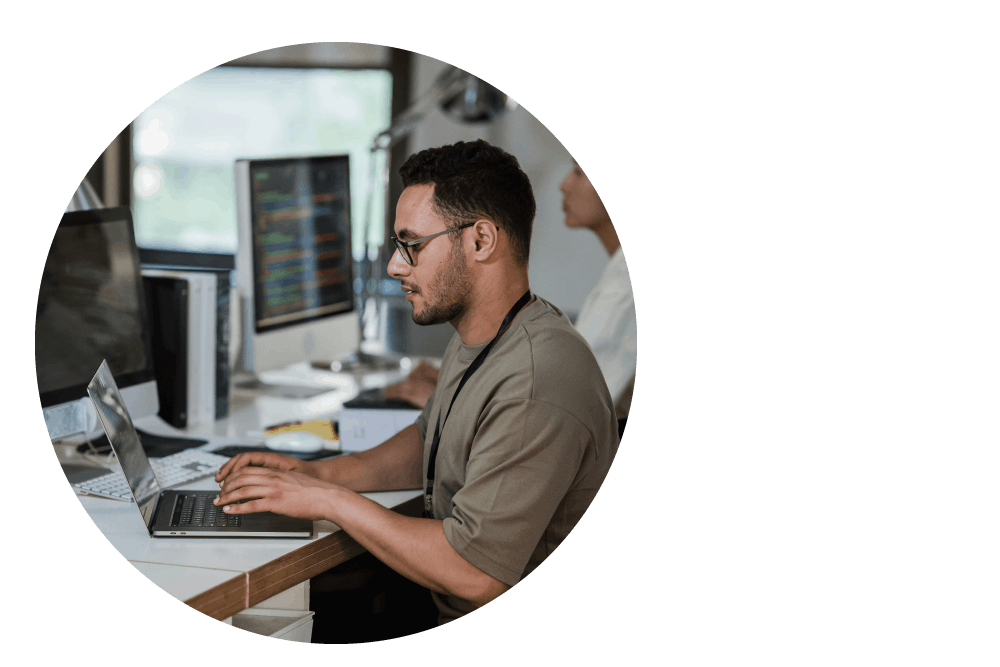
Of course, our team is well versed in the technical side of digital accessibility: being familiar with recognised standards like WCAG and emerging testing methodologies, but what truly sets us apart from others in the field is who is doing the testing and how they do it.
Our testers are people with lived and learned experience of disability or neurodiversity, and the barriers that limit them from fully participating in society.
Of course, they develop their technical skills with each new project they undertake, but their real-world experience is invaluable.
It ensures they provide feedback that is not only authentic but also practical and actionable.
For them, compliance is just the start of a testing journey; the very minimum a site should aim for.
They navigate digital spaces in ways that reflect their everyday lives, which means they notice things automated tools or other testers miss.
Not because those issues are hidden deep in a site’s architecture, but because they are often invisible to people who don’t encounter them on a daily basis.
A screen reader, for example, might technically read out a page correctly, but blind users may not enjoy an intuitive experience, with hyperlinks being read in their entirety, which is exhausting and can break concentration.
Then again, a form might appear to be accessible when in reality, it takes twice as long to complete because it has not been designed for keyboard navigation.
These are the kinds of insights that disabled and neurodivergent people contribute to testing, leading to the design of more robust, user-centred products and fewer costly accessibility issues later down the line.
Treating lived experience with the respect it deserves
From the start of our journey with accessibility testing and advocacy, we challenged industry norms.
While many accessibility services continue to rely solely on automated tools or a few trained specialists, we have always believed in something more radical: putting disabled and neurodivergent people at the heart of the process.
Too often, they are viewed as afterthoughts when they should be embedded in design processes from day one.
They are consulted through focus groups or surveys, if at all, but at Passion4Social, we have always known that lived experience is equally, if not more valuable than any qualification.
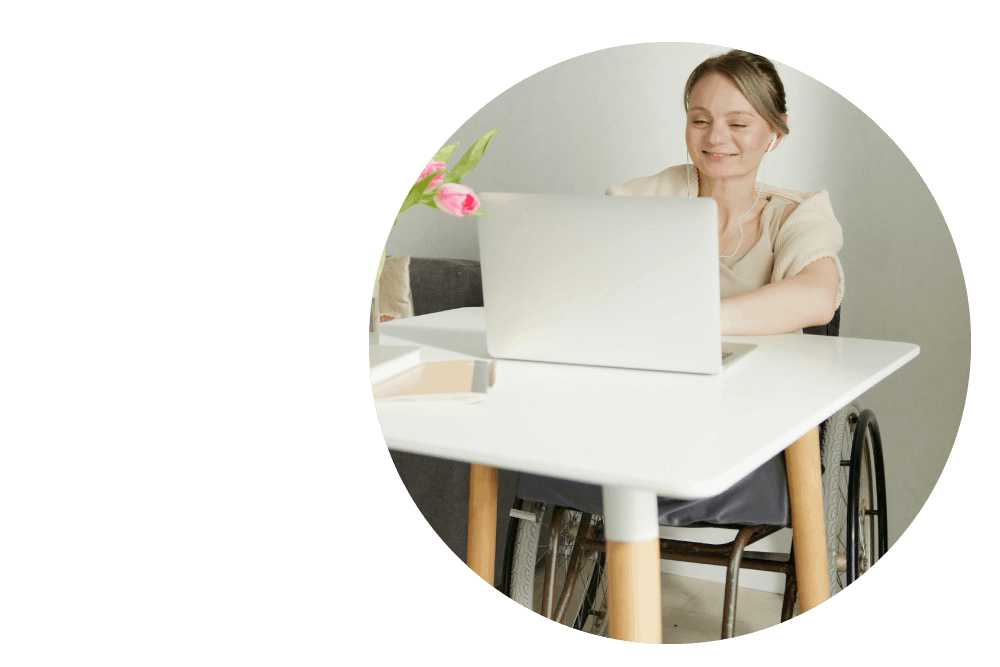
Consequently, our testers are paid professionals, shaping and improving the digital products everyone uses.
No tokenistic involvement, just respect for people’s diverse perspectives and a genuine recognition that accessibility testing is not voluntary or symbolic.
It is skilled work and should be paid accordingly.
By creating sustainable, paid opportunities for disabled and neurodivergent testers, we are investing in a workforce whose insights are essential to building future digital services that work for everyone.
Achieving accessibility across sites, apps and digital platforms can never be done through automation or simulation tools.
The testing process requires empathy and a deep understanding of how people truly experience digital spaces.
That is why the technical expertise we build is grounded in lived experience.
When this lived experience and technical knowledge come together from the very start, accessibility moves beyond compliance, becoming the foundation of digital spaces and products that genuinely empower every user.
Ready to go beyond compliance?
Book a call with us today and let’s talk about the ways we can support your accessibility journey.
Share via social media:


You may also like...
We stopped looking at CVs; Look what we found instead
With summer in full swing, we recruited people with lived...

Teaching digital accessibility early: The future of inclusive education
In this article: Why accessibility should be integrated in education...
Accessibility beyond websites: The rise of accessible everything
In today’s blog, you will read about: How digital accessibility...

Accessible Content Does Not Need to Be Dull
Who says accessible content has to be boring? Some people...

Digital Accessibility in Action: The Platforms, Creators and Advocates Amplifying Disabled Voices
As we tell anyone who will listen, creating accessible digital...

What you need to know about WCAG 3.0
October 28, 2026 , 12 pm - 1 pm GMT

Accessible images: The art of alt text
November 25, 2026 , 12 pm - 1 pm GMT

Overlays vs lived experience users: Shortcut or setback?
Explore the arguments for two powerful approaches to digital accessibility: the convenience of automated overlays...

When “Save as PDF” isn’t enough: Why accessible PDFs require knowledge, planning, testing and time
In this article, you will discover: Polished-looking PDFs are not...

Digital poverty: Its impact and strategies for the future
September 23, 2026 , 12 pm - 1 pm BST

The EAA one year on: What has really changed?
In this blog, you will read about: What has really...

The sales you never got to see and why digital accessibility could be the reason
How sales can be lost without ever appearing in your...

When accessibility is an afterthought: Voting remains a postcode lottery for disabled voters
In this blog, you will discover: How accessible voting exists...

Quick wins: 10 accessibility fixes you can implement now
In some circles, digital accessibility has a bad reputation, but...

The European Accessibility Act
A practical guide to the European Accessibility Act, explaining what...
Considering diversity in cyber security: Designing inclusive systems for disabled and neurodivergent users
Cyber security is no longer something that works away unobtrusively...
When a click becomes exhausting: The hidden mental health cost of inaccessible design
Inaccessible digital design carries a hidden mental health cost, moving...

Exploring assistive tech in cyber security tools
With CYBERUK 2026 on the horizon, Net-Defence and Passion4Social CIC...

Who is being left behind? The entry point is digital
Digital inaccessibility is a significant structural barrier that widens the...

When accessibility is an afterthought: Patients pay the price
Government organisations and institutions spend millions on cybersecurity, protecting their...


