



August 11, 2025

Est 6 min
In the digital world we live in, accessible products, services, and information can no longer be seen as an optional extra; they are a necessity.
For people with diverse access needs, it is a matter of equal rights, independent living and dignity.
For businesses, it means legal compliance, a potential talent pool of millions and a healthier bottom line.
For wider society, it represents the smoother user experiences and better service delivery that inevitably result from an inclusion-first mindset.
At Passion4Social, we understand how accessibility benefits everyone, so we are on a mission to support organisations on their journey from awareness to action.
Digital exclusion: Who really gets left behind?
Imagine visiting a website and not being able to read its content or complete a purchase because of how it was designed?
For the over 16 million people in the UK (over a billion people globally) who live with a disability or long-term health condition, powers of imagination are not needed.
This is their daily reality.
That’s over 15% of the world’s population who are potentially left unable to access important goods and services.
Global life expectancy is also rising, and so is the number of older adults who are trying to navigate our increasingly digital world.
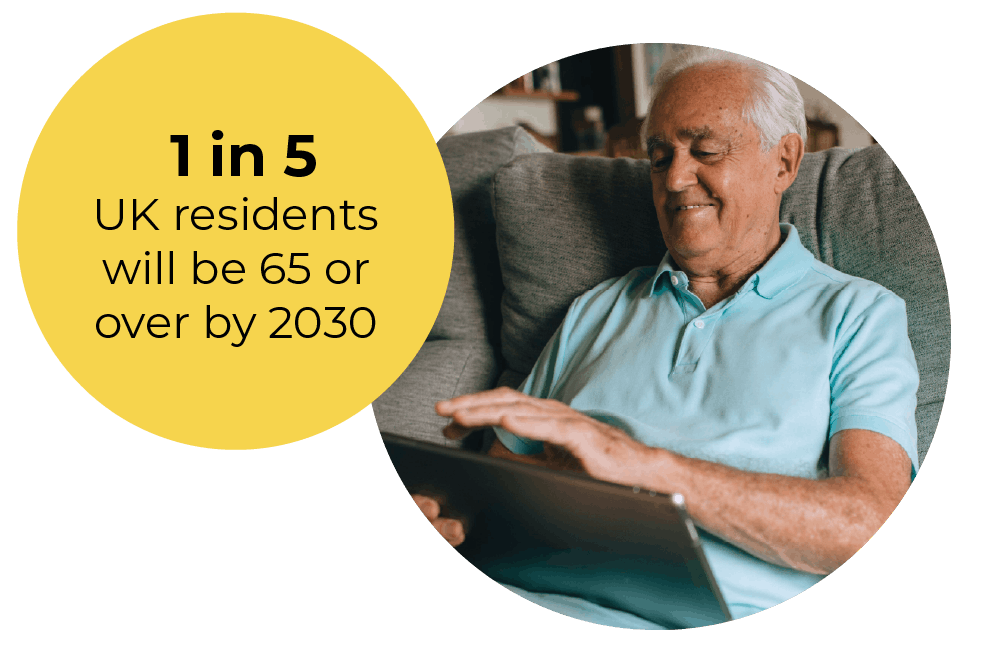
The Office for National Statistics has estimated that 1 in 5 UK residents will be 65 or over by 2030; yet, many websites, apps, and social media platforms remain stubbornly inaccessible to them.
Factor in the people encountering situational disabilities, a broken wrist or insufficient funds to afford the latest technologies, for example, and you begin to truly understand the far-reaching impact of poor digital accessibility.
The numbers don’t lie:
- 73% of disabled customers experience access barriers on more than 1 in 4 websites they visit
- 71% of web users leave a site they find hard to use
- 40% of older people feel excluded from digital services
- Older people habitually abandon access to websites or apps in under 3 minutes
Accessibility creates equity
When digital spaces are inclusive, our society becomes more equitable. They empower people with disabilities to access quality education, pursue employment and promotion opportunities and participate in cultural life.
They are a source of support for families, carers, and individuals navigating complex administrative or legal systems.
Neither can we underestimate the role they play in reducing isolation and loneliness.
We saw how platforms like Google Meet and Zoom enabled people to stay connected during the global pandemic, for example, ensuring they had a lifeline when policymakers failed to recognise their needs.
Inclusive digital spaces also strengthen community resilience, as people who would otherwise be unable to advocate for the issues closest to their hearts have a voice and a platform to use it.
Accessibility also fosters innovation. Take features like captions on videos, voice recognition software, and responsive design; they were originally designed to meet people’s access needs, but they have become mainstream, improving the user experience for everyone.
The message is clear: what benefits people with additional access needs, ultimately benefits us all.
The business case: Financial, legal and moral
From a commercial perspective, ignoring accessibility is a costly mistake.
The spending power of people with disabilities and their families (the Purple Pound) is worth £274 billion annually in the UK alone.
Globally, that amounts to more than 8 Trillion Dollars a year.
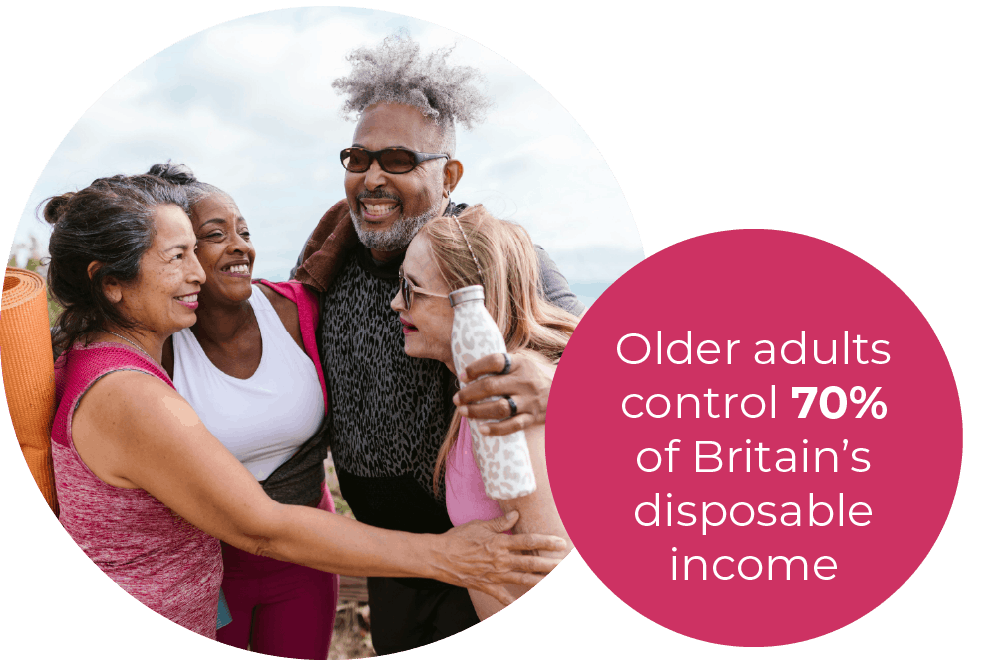
Furthermore, according to recent research from Age UK, older adults control 70% of Britain’s disposable income: a market no organisation can afford to exclude.
Now factor in the costs when you are forced to fix, or even completely redevelop, your digital products to resolve accessibility issues.
At Passion4Social, we have been empowering businesses to become more inclusive for 7 years.
Take it from us: building accessibility into the design concept from the very start is significantly more cost-effective than making retrospective changes.
A word about the law
In the UK, the Equality Act 2010 states it is illegal to discriminate against anyone with a protected characteristic, including people with disabilities.
It requires all service providers, including website hosts, to make reasonable adjustments to avoid disadvantaging these groups.
Public bodies are also bound by the Public Sector Bodies (Websites and Mobile Applications) Accessibility Regulations 2018, which align with the WCAG standards (Web Content Accessibility Guidelines).
Add in the European accessibility act, which is legally binding for any organisation that trades with the EU, and you can see how non-compliance is a risk your business simply cannot afford to take.
We would encourage you to think about legal compliance as something that benefits everyone and to be proactive about achieving it.
On a brighter note, people with access needs will support brands that clearly signal intent when it comes to accessibility.
Research shows:
- 71% of consumers actively help a brand promote its products or services if there is a good cause behind them
- 87% of global consumers believe that businesses need to place equal weight on society’s interests and business interests
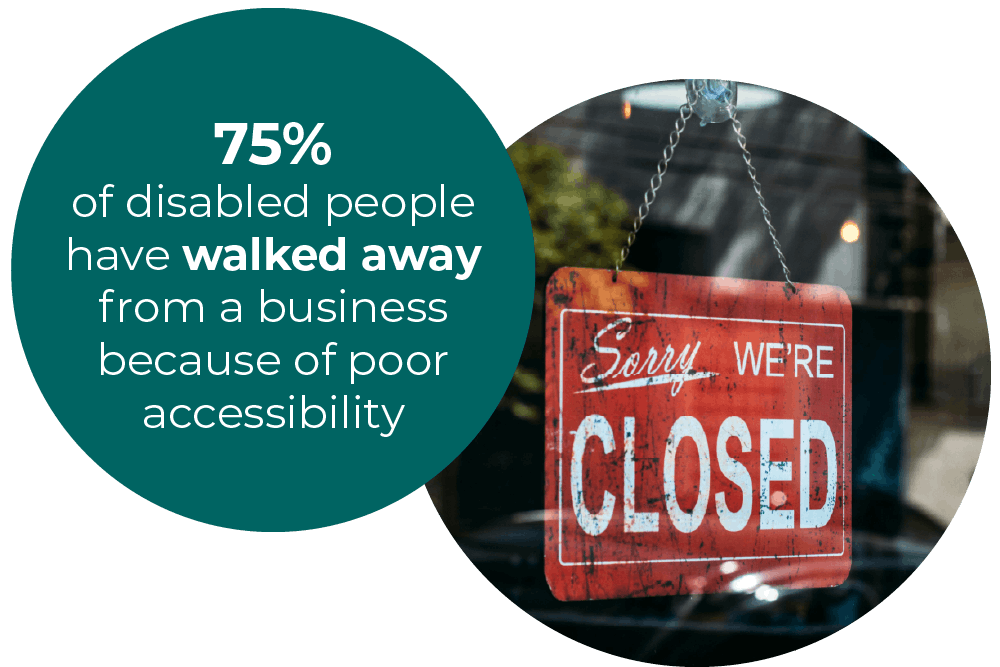
- 75% of disabled people and their families have walked away from a business because of poor accessibility or customer service
Inclusive companies also attract a much wider, more diverse talent pool, benefitting from unique skill sets, perspectives, lived experiences, and problem-solving techniques.
When people see themselves and their needs reflected in a business’s priorities, they will be more likely to view it as a prospective employer.

From compliance to culture
At Passion4Social, we live the values of Diversity, Equity and Inclusion.
That means treating digital accessibility as a culture, and an ongoing process, not a one-off project.
Through our Accessibility for All initiative, we provide the accessibility audits, consultancy services and training that start organisations on their path to becoming true accessibility champions.
What makes us different from our competitors is our team of testers, all of whom have lived or learnt experience of the barriers people with additional access needs habitually encounter.
They have worked with NHS trusts, universities, non-profits and public sector businesses to identify and resolve accessibility issues across their digital products.
You see, these clients don’t just leave us with a report; they walk away with clarity, strategy, and purpose.
Want to know more about the ways we can support your journey from awareness to action?
Email: enquiries@passion4social.com
Follow us on LinkedIn
Share via social media:


You may also like...
Teaching digital accessibility early: The future of inclusive education
In this article: Why accessibility should be integrated in education...

Accessibility beyond websites: The rise of accessible everything
In today’s blog, you will read about: How digital accessibility...

Accessible Content Does Not Need to Be Dull
Who says accessible content has to be boring? Some people...

Digital Accessibility in Action: The Platforms, Creators and Advocates Amplifying Disabled Voices
As we tell anyone who will listen, creating accessible digital...

What you need to know about WCAG 3.0
October 28, 2026 , 12 pm - 1 pm GMT

Accessible images: The art of alt text
November 25, 2026 , 12 pm - 1 pm GMT

Overlays vs lived experience users: Shortcut or setback?
August 26, 2026 , 12 pm - 1 pm BST

When “Save as PDF” isn’t enough: Why accessible PDFs require knowledge, planning, testing and time
In this article, you will discover: Polished-looking PDFs are not...

Digital poverty: Its impact and strategies for the future
September 23, 2026 , 12 pm - 1 pm BST

The EAA one year on: What has really changed?
In this blog, you will read about: What has really...

The sales you never got to see and why digital accessibility could be the reason
How sales can be lost without ever appearing in your...

When accessibility is an afterthought: Voting remains a postcode lottery for disabled voters
In this blog, you will discover: How accessible voting exists...

Quick wins: 10 accessibility fixes you can implement now
In some circles, digital accessibility has a bad reputation, but...

The European Accessibility Act
A practical guide to the European Accessibility Act, explaining what...
Considering diversity in cyber security: Designing inclusive systems for disabled and neurodivergent users
Cyber security is no longer something that works away unobtrusively...
When a click becomes exhausting: The hidden mental health cost of inaccessible design
Inaccessible digital design carries a hidden mental health cost, moving...
Technical expertise built on lived experience: Why our testers notice what others miss
Authentic accessibility goes beyond technical terminology or compliance with legal...

Exploring assistive tech in cyber security tools
With CYBERUK 2026 on the horizon, Net-Defence and Passion4Social CIC...

Who is being left behind? The entry point is digital
Digital inaccessibility is a significant structural barrier that widens the...

When accessibility is an afterthought: Patients pay the price
Government organisations and institutions spend millions on cybersecurity, protecting their...


