




January 20, 2025

Est 5 min
The International Day of Education may have come and gone on January 24th, but its message is as important as ever. The day serves as a powerful reminder of the need for inclusive and equitable education for everyone. But let’s be honest: inclusion in education shouldn’t just be a box we check off once a year.
It’s about making real, meaningful changes that ensure all kids—no matter their abilities or backgrounds—can learn, grow, and thrive together.
So, how do we keep this momentum going year-round?
At Passion4Social, we believe that fostering inclusion from an early age is fundamental to shaping a future where diversity, equal opportunities, and accessibility are truly valued.
That’s why we have partnered with educational institutions wherever possible down the years, supporting them to build inclusive learning environments and creating pathways for work experience programmes.
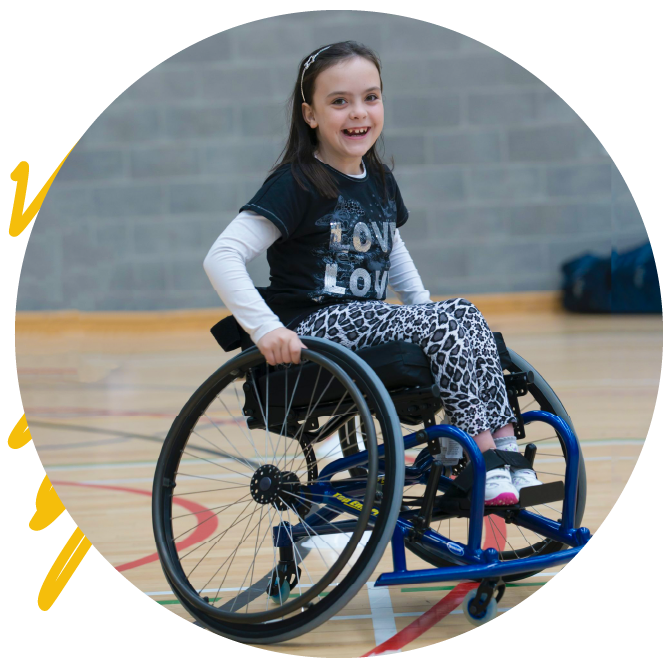
How can schools be more inclusive?
For schools to fully embrace inclusion, three key areas need attention:
- Infrastructure: Classrooms and facilities should be designed with an accessibility–first approach, with features such as ramps, lifts, inclusive signage, and sensory-friendly spaces to accommodate students’ diverse needs.
- Technology: Assistive tools like screen readers, text-to-speech software, and other digital accessibility solutions play a crucial role in enabling students with disabilities to engage with learning materials effectively.
- Training: Teachers need targeted training in diversity, equity, and inclusion (DEI), along with strategies to support students with special educational needs and disabilities (SEND).
At Passion4Social, we offer accessibility audits and consultancy services that help educational institutions identify gaps and implement practical, sustainable solutions. These principles don’t just apply to schools—corporate environments also benefit when inclusion is at the heart of their approach.
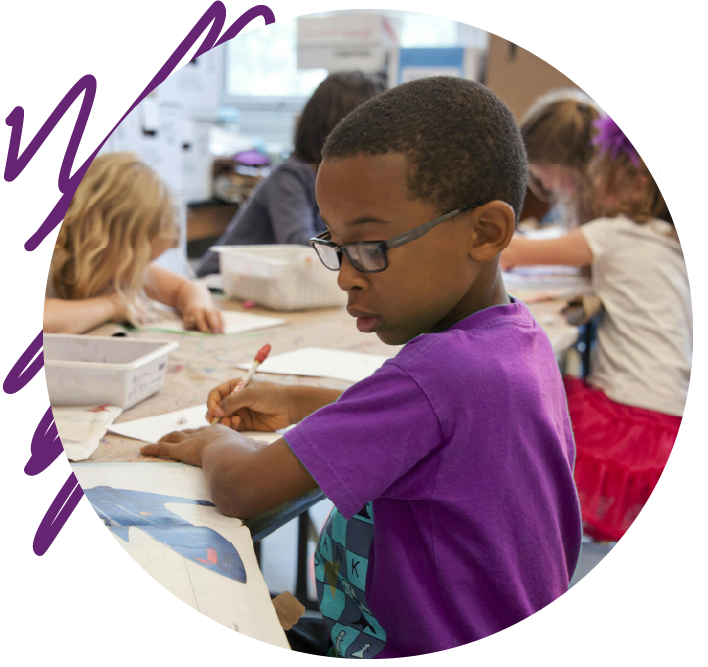
What tools make education more accessible?
Accessible education is all about using the right technology and resources to ensure that every student has the tools they need to succeed.
Here are some key tools that can make a big difference:
- Assistive technologies: From speech recognition software to digital magnifiers, these tools break down barriers for students, for example, with sensory and cognitive disabilities and conditions that limit mobility.
- Customised learning platforms: Adaptive technologies can cater to individuals with differing learning speeds, enabling more personalised education for students with SEND.
- Inclusive materials: Providing textbooks and resources in multiple formats—such as braille, large print, digital formats, or audiobooks—ensures all learners can access the same information and process it in the way that suits their needs.
At Passion4Social, we specialise in creating accessible digital solutions that not only enhance learning experiences but also promote equity in professional and community settings.
Check out our list of downloadable publications on our website.
They cover everything from our ableism dictionary to our handbook on creating the DEI employers of the future.
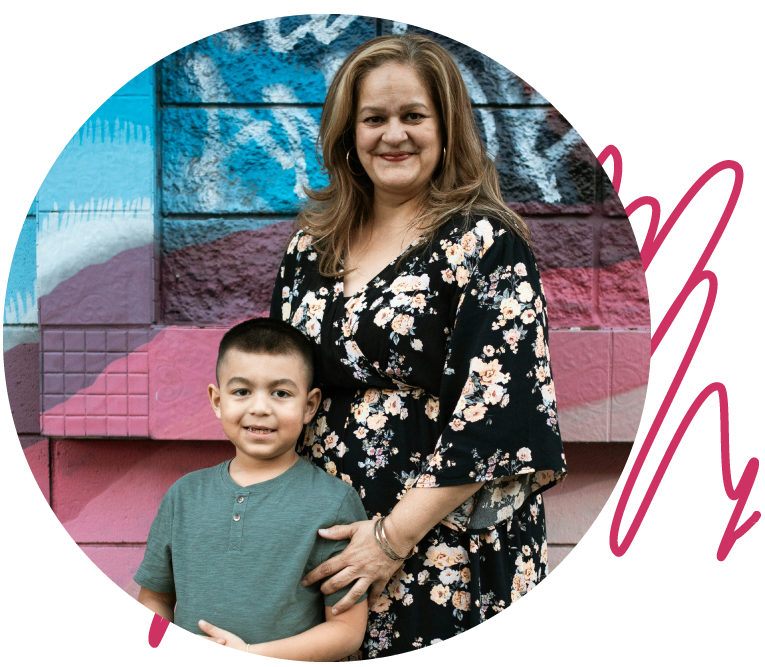
The role of parents and communities in inclusive education
Inclusion does not stop at the school gates; it begins at home and extends into the community. Parents and carers play a crucial role in advocating for their children’s needs and supporting schools in implementing inclusive practices.
Open communication between families and educators is key to creating an effective collaborative support network around each child.
Communities also have a role to play. If designed with lived experience at their heart, public awareness campaigns can be powerful tools for challenging stereotypes around the capabilities of disabled students, and their right to access the same level of education as their peers; fostering a culture of inclusion that benefits everyone.
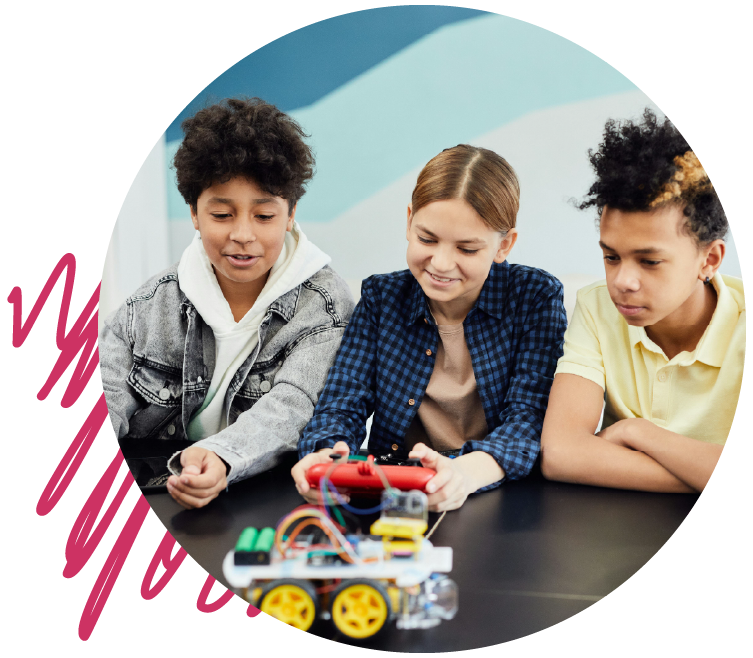
Why does inclusive education matter for the future?
Inclusive education is about more than academic success. It ensures every child has the practical tools and well-being support that starts them on their professional journey; giving them the fundamental building blocks to achieve their full potential in the world of work.
It also teaches empathy, understanding, and collaboration—skills that are essential in today’s interconnected world.
Besides, all manner of research affirms that inclusive classrooms benefit every student, not just those with SEND.
Non-disabled students develop greater social skills, emotional intelligence, and respect for others when they learn alongside peers with diverse needs. This is what fosters a generation of future leaders and professionals who prioritise equity and accessibility above profit margins.
How can businesses learn from inclusive education?
The lessons of inclusive education extend far beyond schools. Businesses can adopt similar principles to ensure their workplaces are accessible and welcoming.
Here’s how:
- Evaluate accessibility: Conduct audits of physical and digital spaces to identify barriers to inclusion.
- Invest in training: Equip employees with the knowledge to embrace diversity and foster inclusive practices.
- Adopt assistive technologies: Tools that support inclusion in schools can also be applied in professional settings, such as speech-to-text software or ergonomic workstations.
This is where we can help.
Passion4Social provides tailored consultancy and training services to help organisations implement these strategies effectively.

Inclusion is a journey, not a destination
The International Day of Education reminds us of the ongoing need to prioritise inclusion at every level of society. While the day itself has passed, the work to build accessible and equitable systems and infrastructure must never let up.
We are committed to supporting schools, businesses, and communities in creating environments where diversity thrives.
Consultancy, training, or accessibility solutions, we are here to help you take the next step towards inclusion.
Let’s work together to ensure that every child—and every adult—has the tools, support, and opportunities to reach their full potential. Share your ideas and experiences over on our LinkedIn page. Your story could inspire meaningful change.
Together, we can build inclusive futures.
Share via social media:


You may also like...
Teaching digital accessibility early: The future of inclusive education
In this article: Why accessibility should be integrated in education...

Accessibility beyond websites: The rise of accessible everything
In today’s blog, you will read about: How digital accessibility...

Accessible Content Does Not Need to Be Dull
Who says accessible content has to be boring? Some people...

Digital Accessibility in Action: The Platforms, Creators and Advocates Amplifying Disabled Voices
As we tell anyone who will listen, creating accessible digital...

What you need to know about WCAG 3.0
October 28, 2026 , 12 pm - 1 pm GMT

Accessible images: The art of alt text
November 25, 2026 , 12 pm - 1 pm GMT

Overlays vs lived experience users: Shortcut or setback?
August 26, 2026 , 12 pm - 1 pm BST

When “Save as PDF” isn’t enough: Why accessible PDFs require knowledge, planning, testing and time
In this article, you will discover: Polished-looking PDFs are not...

Digital poverty: Its impact and strategies for the future
September 23, 2026 , 12 pm - 1 pm BST

The EAA one year on: What has really changed?
In this blog, you will read about: What has really...

The sales you never got to see and why digital accessibility could be the reason
How sales can be lost without ever appearing in your...

When accessibility is an afterthought: Voting remains a postcode lottery for disabled voters
In this blog, you will discover: How accessible voting exists...

Quick wins: 10 accessibility fixes you can implement now
In some circles, digital accessibility has a bad reputation, but...

The European Accessibility Act
A practical guide to the European Accessibility Act, explaining what...
Considering diversity in cyber security: Designing inclusive systems for disabled and neurodivergent users
Cyber security is no longer something that works away unobtrusively...

When a click becomes exhausting: The hidden mental health cost of inaccessible design
Inaccessible digital design carries a hidden mental health cost, moving...
Technical expertise built on lived experience: Why our testers notice what others miss
Authentic accessibility goes beyond technical terminology or compliance with legal...

Exploring assistive tech in cyber security tools
With CYBERUK 2026 on the horizon, Net-Defence and Passion4Social CIC...

Who is being left behind? The entry point is digital
Digital inaccessibility is a significant structural barrier that widens the...

When accessibility is an afterthought: Patients pay the price
Government organisations and institutions spend millions on cybersecurity, protecting their...


