


November 20, 2023

Est min
Digital accessibility has evolved over time and is still changing. The roots of WCAG (Web Content Accessibility Guidelines) can be traced back to the passing of the 1973 Rehabilitation Act in the USA, which was the first piece of legislation to address equal access for people with disabilities. In the UK, the introduction of the 2010 Equality Act made it mandatory to provide disabled people with equal access to goods and services.
However, the issue of digital accessibility was first addressed in 1999 when the World Wide Web Consortium (W3C) published the very first version of WCAG, and October 2023 saw the official release of WCAG 2.2. In the intervening years, we have seen innovations such as Voice Recognition software and Read Aloud options offered on Microsoft products, and many other providers offering options for configuring their products to make them accessible to all users.
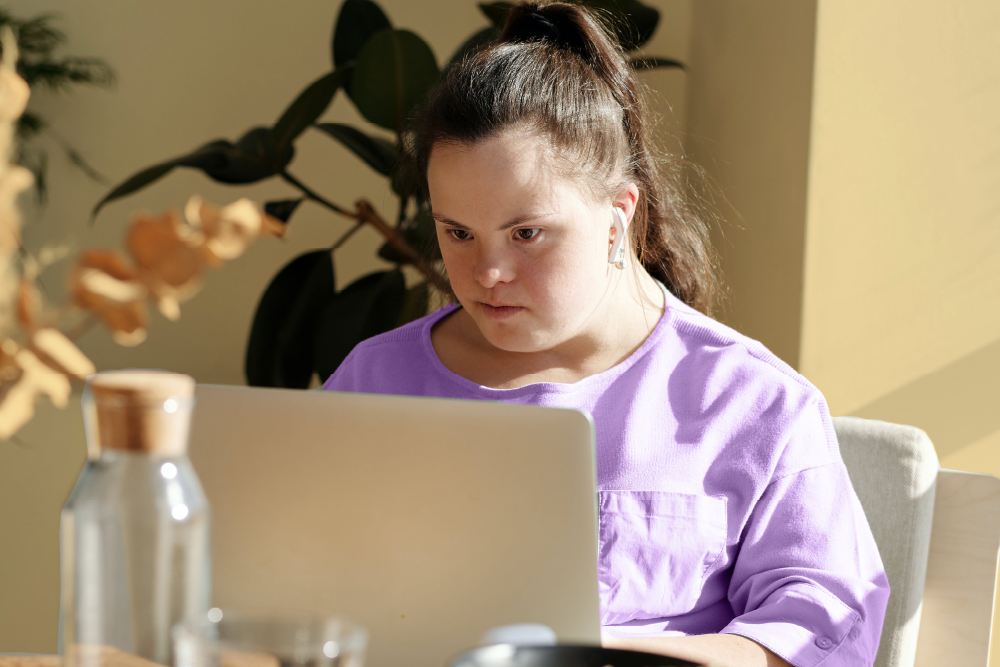
The importance of digital accessibility – the importance of evolving
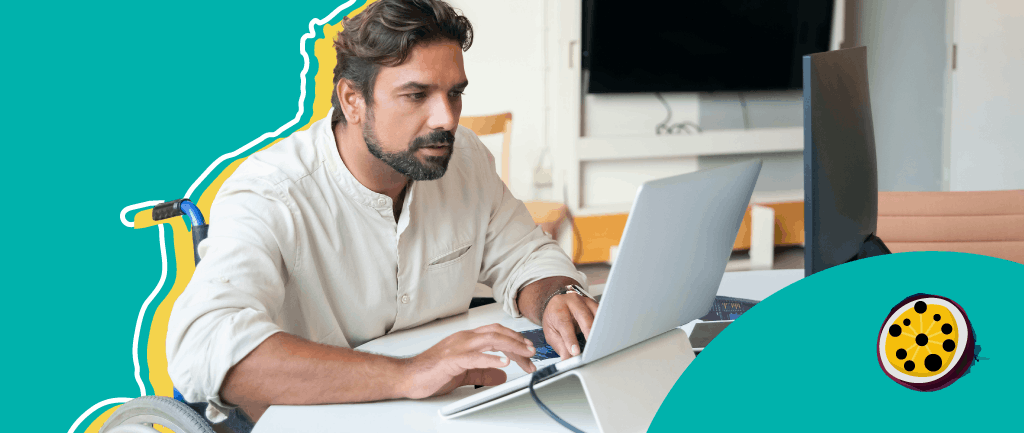
Digital accessibility is just as important as physical accessibility, but standards must be continually reviewed if they are to remain relevant. Take the wheelchair, for example, and consider how its design has evolved over the years. From the earliest example of a wheelchair in the 16th century to today’s high-tech robotic designs; there have been massive improvements in wheelchair design due both to technological advances and changes in the needs of users. The point here is that as physical accessibility needs have changed over the years, wheelchairs have also evolved to meet those needs. Similarly, as the digital landscape is changing constantly, disabled users are regularly presented with fresh challenges in accessing new products and software. So, to keep up with the evolving needs of our users, we must take their experience into consideration.

1 in 5 people in the UK are disabled
We must see digital accessibility as essential to independent living, not as an unnecessary expense. It is just as important as physical accessibility. You wouldn’t, for example, want 1 in 5 of your potential customers to be unable to enter your building due to lack of physical access. Good digital accessibility opens the world up to so many disabled people, giving them equal access to goods and services.
According to The Purple Pound, “73% of disabled customers experience barriers on more than 1 in 4 websites they visit”. No organisation should risk losing so many potential customers due to poor digital accessibility. The spending power of disabled people and their families in the UK is £274 billion a year. How can your organisation justify losing out on its share of this?

Making Adjustments vs Inclusive Design
Under UK law, organisations have a legal responsibility to ensure that their website is accessible to their consumers. Making adjustments to your website need not be costly or difficult, but it can be time-consuming. It is much easier to build inclusive design into your website from the beginning. An important thing to remember when designing your website is that all of your customers have different needs. When designing a website, it is important to consider:
- Physical impairments related to vision, hearing, or dexterity
- Mental impairments that impact understanding or speech
- Technical constraints relating to hardware or internet connectivity
- Barriers due to language or computer literacy
- Demographic differences like age, race, and gender
It is also important to bear the Accessibility Guidelines and Techniques in mind when creating your website. These are based on four core principles:
- Perceivable – Available through sight, hearing, or touch.
- Operable – Compatible with keyboard, mouse, voice control, and other devices.
- Understandable – Easy to comprehend.
- Robust – Follows standards and works across browsers, assistive technologies, mobile devices etc.
So, in short, your website should be able to operate in many ways to allow for a good user experience for everyone, regardless of ability.

Accessibility is a process, not a one-off project
Generally speaking, websites should undergo regular, basic accessibility audits. These “check-up” audits can help demonstrate ongoing conformance with the WCAG, and highlight potential areas for improvement. It is important to do this because your users’ needs change over time, and this will help to ensure that you don’t lose out on any potential custom.
Accessibility testing can be carried out by your organisation, a website accessibility checker, or outsourced to another organisation.
It is best to go with a mixture of automated and manual checking, as these two methods will complement each other. Manual testing can be delivered by experienced testers who have lived experience of disability, whereas automated testing relies solely on a machine and simulations of a disability.
Share via social media:


You may also like...

Teaching digital accessibility early: The future of inclusive education
In this article: Why accessibility should be integrated in education...

Accessibility beyond websites: The rise of accessible everything
In today’s blog, you will read about: How digital accessibility...

Accessible Content Does Not Need to Be Dull
Who says accessible content has to be boring? Some people...

Digital Accessibility in Action: The Platforms, Creators and Advocates Amplifying Disabled Voices
As we tell anyone who will listen, creating accessible digital...

What you need to know about WCAG 3.0
October 28, 2026 , 12 pm - 1 pm GMT

Accessible images: The art of alt text
November 25, 2026 , 12 pm - 1 pm GMT

Overlays vs lived experience users: Shortcut or setback?
August 26, 2026 , 12 pm - 1 pm BST

When “Save as PDF” isn’t enough: Why accessible PDFs require knowledge, planning, testing and time
In this article, you will discover: Polished-looking PDFs are not...

Digital poverty: Its impact and strategies for the future
September 23, 2026 , 12 pm - 1 pm BST

The EAA one year on: What has really changed?
In this blog, you will read about: What has really...

The sales you never got to see and why digital accessibility could be the reason
How sales can be lost without ever appearing in your...

When accessibility is an afterthought: Voting remains a postcode lottery for disabled voters
In this blog, you will discover: How accessible voting exists...

Quick wins: 10 accessibility fixes you can implement now
In some circles, digital accessibility has a bad reputation, but...

The European Accessibility Act
A practical guide to the European Accessibility Act, explaining what...
Considering diversity in cyber security: Designing inclusive systems for disabled and neurodivergent users
Cyber security is no longer something that works away unobtrusively...
When a click becomes exhausting: The hidden mental health cost of inaccessible design
Inaccessible digital design carries a hidden mental health cost, moving...
Technical expertise built on lived experience: Why our testers notice what others miss
Authentic accessibility goes beyond technical terminology or compliance with legal...

Exploring assistive tech in cyber security tools
With CYBERUK 2026 on the horizon, Net-Defence and Passion4Social CIC...

Who is being left behind? The entry point is digital
Digital inaccessibility is a significant structural barrier that widens the...

When accessibility is an afterthought: Patients pay the price
Government organisations and institutions spend millions on cybersecurity, protecting their...


