


May 22, 2019

Est min
The 8-year-old TV series reached 44.2 million people in average gross audience across platform. Definitely, a record-break, but they also broke another record: depicted a large number of characters representing the diversity.
Disabilities, sexual identity, cultural plurality are some of the examples that this multimillionaire show brought to the viewers.
Diversity is in the core of Passion4Social, but it is still a topic badly comprehended by most of the people.
Therefore, we must celebrate how Game of Thrones is rewriting the TV industry behaviours, even after its finale.
Disabilities and Game of Thrones
It is very rare to have a disabled character in the leading roles of movies and series. We can count on fingers the remarkable ones: Rainman, The Intouchables, Avatar, Glee,… Can you remember others? Leave a comment.
In Game of Thrones, on the other hand, it is hard not to remember the characters with disabilities:
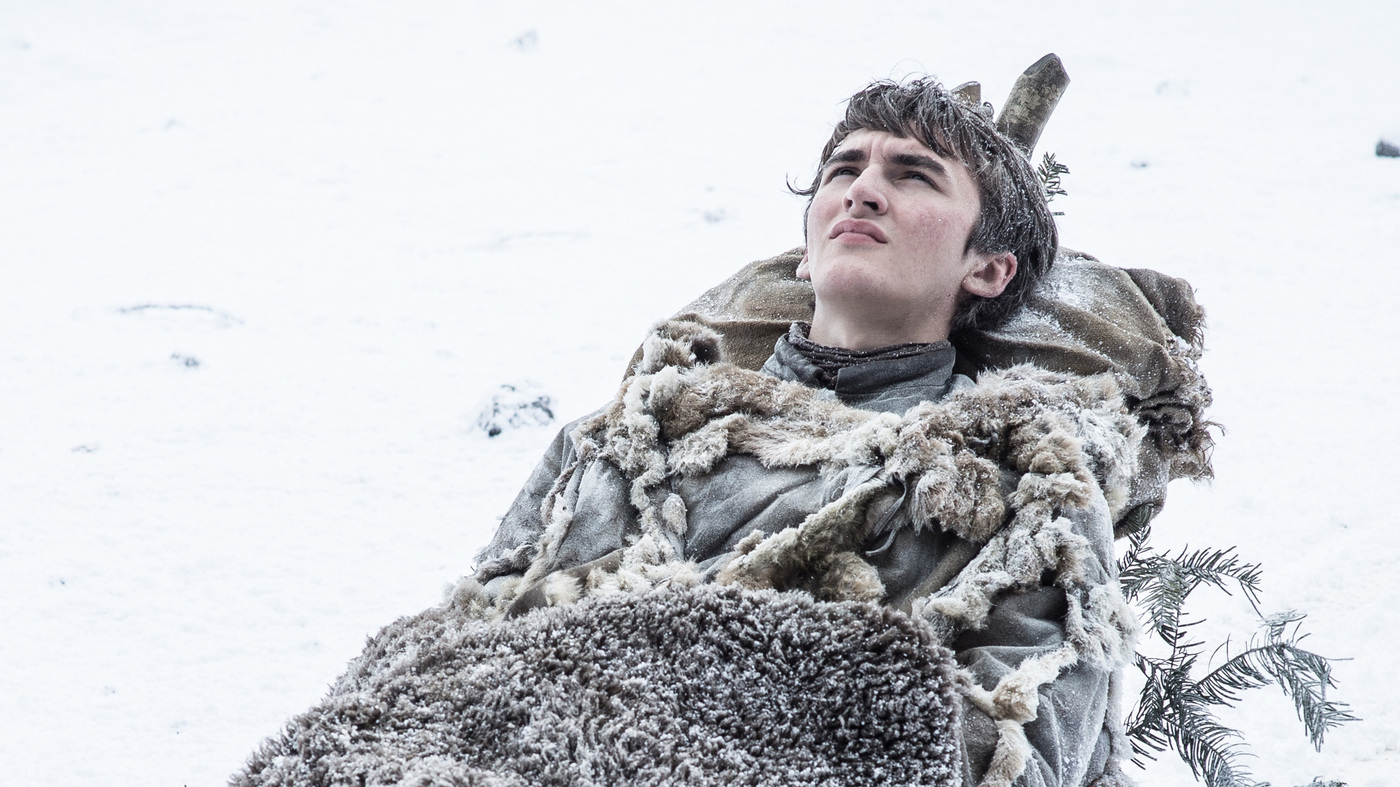
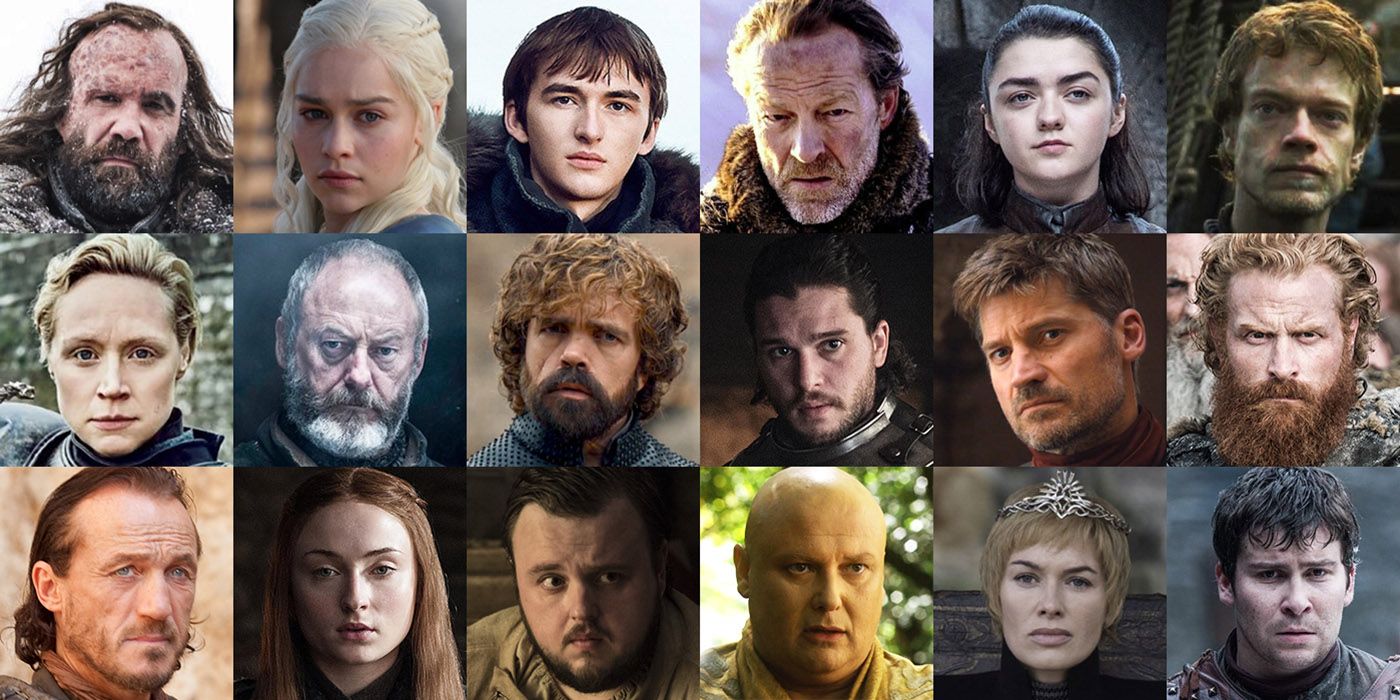
- Bran Stark: partial paralysis;
- Jamie Lannister: missing hand;
- Hodor: aphasia;
- Doran Martell: gout;
- Tyrion Lannister: dwarfism;
- Shireen Baratheon: greyscale (the equivalent of leprosy);
- Jorah Mormont: greyscale;
- Aerys Targaryen: sort of mental illness;
- Sandor Clegane (‘The Hound’): severe burn victim and has PTSD;
- Arya Stark: blind for a few episodes;
- Moreover, the list goes on other many supporting characters…
The storyline throughout the 8 seasons was marked by prejudice, discrimination, numbers of obstacles, and inequality towards the disabled characters – isn’t the art imitating the real life?!
The good news is that these characters overcame their roles and achieved their mission and importance in the plot, even being rewarded at the end.
Real life
Peter Dinklage (Tyrion Lannister), from the characters mentioned above, is the only actor who really has a disability. His participation was essential in the entire series, which his character disability was constantly mocked – sometimes he mocked himself – but his ability was celebrated and recognised even by his enemies: the outstanding intelligence and capacity to read situations and other people’s behaviours.
What few people know is that Kit Harington (Jon Snow) is an activist of the learning disabilities cause. He promotes campaigns and engagement to raise awareness about it – his cousin, Laurent, has Down’s syndrome, and he has lots to say about it.
More real life
The UK broadcasting regulator Ofcom published the Diversity and Equal Opportunities in Television report last year. Its findings highlighted a Staggering lack of representation of disabled people across the industry, both on and off the screen; with certain broadcasters reporting that as little as one per cent of their employees are disabled.
The 2018 report
The report is part of Ofcom’s recently launched annual Diversity in Broadcasting monitoring programme, which has been put in place to measure the performance of UK broadcasters; in terms of how effectively they are promoting equal opportunity, diversity and inclusion in the workplace. Previous statistics have revealed that the industry is falling short in these respects, with many people from minority groups struggling to find positions in television. Ofcom has once more reiterated its commitment to help tackle this issue with the publication of this first-ever report.
The regulator says that UK Broadcasters have a responsibility to reflect the society we live in today with greater accuracy: believing that because television can have the power to determine our values, and even our identities, broadcasters bear a responsibility to diversify their talent pool both on and off-camera. That said, the first step on the path to greater equality and diversity, it believes, should be to measure broadcaster’s performance and make the results transparent.
The five main broadcasters
Although the report is the culmination of months of data gathering from the 347 broadcasters which Ofcom regulates in the UK; the majority of it focuses on the figures from the main five UK broadcasters: the BBC, Channel 4, ITV, Sky and Viacom, who account for 81 per cent of the UK’s industry.
The findings show that not only Disability representation, but monitoring of disabled employees varies significantly across the board.
Report card reads: must do better
In the report Ofcom referred to a “cultural disconnect” which has arisen between broadcasters and the UK Population; with the chief executive, Sharon White making the observation:
“Disabled people are particularly poorly represented at all levels of the industry
It is not a situation which will be remedied any time soon either, as it would seem that the lack of information on disability initiatives from ITV and Viacom is symptomatic of disability data collection across the television industry as a whole.
That’s why Game of Thrones is so essential. Reopening the discussion, and raising the representation is very significant for the inclusion of disabled people and other diversities.
Share via social media:


You may also like...
Teaching digital accessibility early: The future of inclusive education
In this article: Why accessibility should be integrated in education...

Accessibility beyond websites: The rise of accessible everything
In today’s blog, you will read about: How digital accessibility...

Accessible Content Does Not Need to Be Dull
Who says accessible content has to be boring? Some people...

Digital Accessibility in Action: The Platforms, Creators and Advocates Amplifying Disabled Voices
As we tell anyone who will listen, creating accessible digital...

What you need to know about WCAG 3.0
October 28, 2026 , 12 pm - 1 pm GMT

Accessible images: The art of alt text
November 25, 2026 , 12 pm - 1 pm GMT

Overlays vs lived experience users: Shortcut or setback?
August 26, 2026 , 12 pm - 1 pm BST

When “Save as PDF” isn’t enough: Why accessible PDFs require knowledge, planning, testing and time
In this article, you will discover: Polished-looking PDFs are not...

Digital poverty: Its impact and strategies for the future
September 23, 2026 , 12 pm - 1 pm BST

The EAA one year on: What has really changed?
In this blog, you will read about: What has really...

The sales you never got to see and why digital accessibility could be the reason
How sales can be lost without ever appearing in your...

When accessibility is an afterthought: Voting remains a postcode lottery for disabled voters
In this blog, you will discover: How accessible voting exists...

Quick wins: 10 accessibility fixes you can implement now
In some circles, digital accessibility has a bad reputation, but...

The European Accessibility Act
A practical guide to the European Accessibility Act, explaining what...
Considering diversity in cyber security: Designing inclusive systems for disabled and neurodivergent users
Cyber security is no longer something that works away unobtrusively...
When a click becomes exhausting: The hidden mental health cost of inaccessible design
Inaccessible digital design carries a hidden mental health cost, moving...
Technical expertise built on lived experience: Why our testers notice what others miss
Authentic accessibility goes beyond technical terminology or compliance with legal...

Exploring assistive tech in cyber security tools
With CYBERUK 2026 on the horizon, Net-Defence and Passion4Social CIC...

Who is being left behind? The entry point is digital
Digital inaccessibility is a significant structural barrier that widens the...

When accessibility is an afterthought: Patients pay the price
Government organisations and institutions spend millions on cybersecurity, protecting their...


