April 28, 2025

Est 4 min
At Passion4Social, we firmly believe that sustainability and inclusion go hand in hand. Together, they contribute to individual well-being while playing a crucial role in protecting our planet.
For people with disabilities, balancing eco-friendly choices with health and accessibility can seem challenging; however, it is far from impossible. Many greener choices make a positive impact without compromising people’s daily needs.
With that in mind, this blog explores 10 practical tips that will empower individuals to reduce their environmental footprint while maintaining their quality of life.

1. Choose eco-friendly cleaning products
Opting for biodegradable, chemical-free cleaning products minimises exposure to harsh substances and reduces environmental harm. Many eco-friendly brands now offer accessible packaging, featuring easy-to-open designs and braille labels, ensuring a more inclusive shopping experience.
2. Switch to reusable utensils
Replacing disposable items with reusable alternatives, such as bamboo cutlery, flexible silicone, or stainless-steel straws, helps reduce plastic waste. These options are not only better for the planet but also more durable and ergonomic for users with diverse mobility needs.
3. Engage in accessible recycling programmes
Taking part in local recycling initiatives that provide accessible resources, such as information in alternative formats or adapted waste collection services, enables people with disabilities to play an active role in environmental sustainability.
4. Support sustainable and accessible local businesses
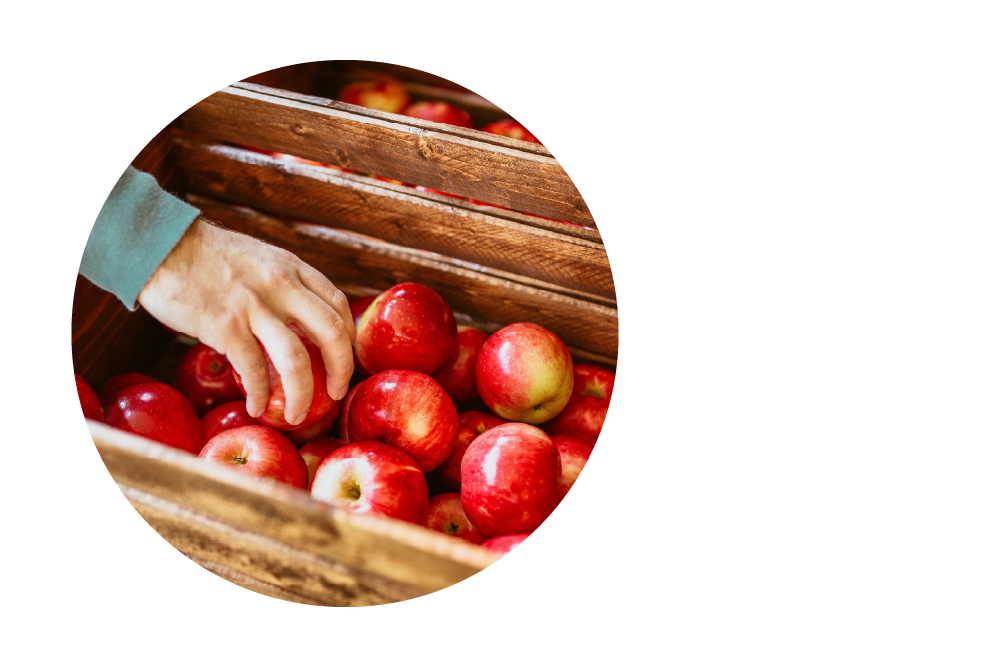
Purchasing from companies that embrace sustainable, accessible practices benefits both the environment and local economies. Farmers’ markets, for instance, often provide organic, locally sourced produce with convenient home delivery options in eco-friendly packaging.
5. Use accessible public transport
Public transport is a sustainable alternative to private vehicles, reducing carbon emissions while promoting inclusion. Many transport apps now feature accessibility filters, making it easier to plan journeys. For those who require a personal vehicle, subsidies for wheelchair-accessible electric vehicles (EVs) are available in certain regions.
6. Participate in community gardens
Joining an inclusive community garden allows individuals to grow their own organic produce, fostering both sustainability and well-being. Raised garden beds designed for wheelchair users make these spaces more accessible and encourage greater participation.
7. Improve energy efficiency at home
Implementing energy-saving measures, such as using LED light bulbs and energy-efficient appliances, contributes to a greener home while lowering costs. Smart thermostats with voice control, combined with solar panels, also offer an excellent way to maintain an eco-conscious lifestyle.
Tip: Home Energy Scotland provides grants for accessible homes to improve energy efficiency.
8. Choose sustainable and adaptive fashion
Buying second-hand adaptive clothing or supporting brands that use organic, sustainable materials is a responsible choice that helps reduce the carbon footprint of the fast fashion industry. Many inclusive fashion brands now prioritise eco-friendly materials without compromising functionality.
9. Reduce single-use plastics
Using reusable alternatives, such as fabric shopping bags, refillable bottles, and sustainable food containers, greatly decreases plastic waste.
Looking for an easy swap? Eco-friendly tote bags are affordable and can even be homemade, making them a fun and therapeutic DIY project.
10. Opt for sustainable mobility aids
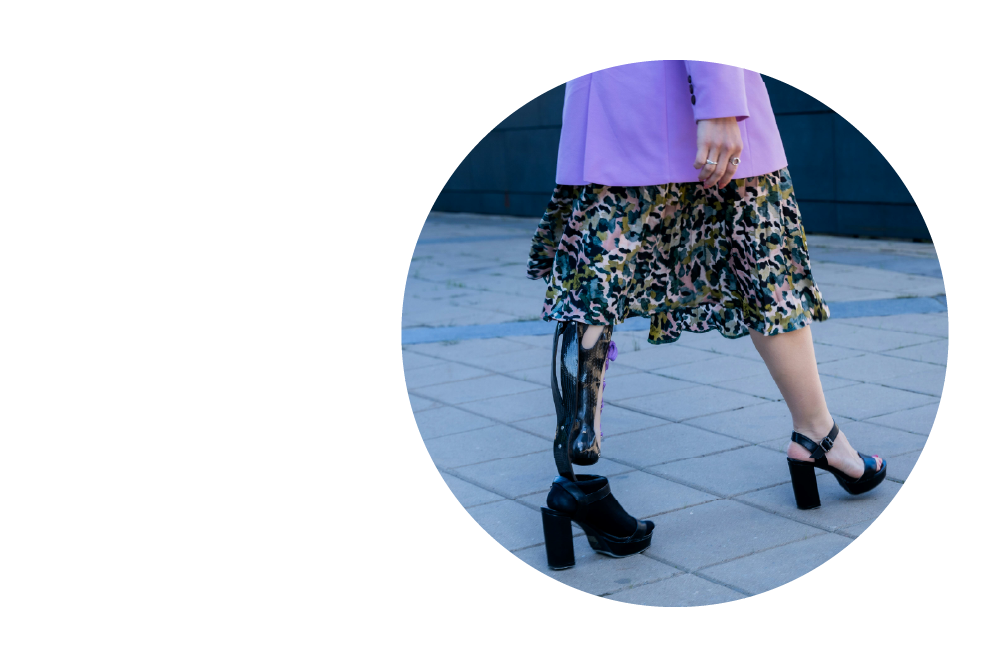
Wheelchairs and mobility aids made from recycled aluminium, bamboo, or biodegradable materials are excellent alternatives to traditional products, which often contain non-recyclable plastics and metals. Several brands now offer durable, lightweight, and eco-conscious mobility devices.
Tip: Consider donating or recycling old mobility aids through local programmes to reduce waste.

BONUS CHOICE: Sustainable web development
Embrace the power of accessible websites and platforms built on the foundations of sustainable web development.
This forward-thinking approach not only slashes server energy consumption but also ensures individuals with disabilities enjoy a seamless, inclusive, and empowering online experience.
The key distinction? A “standard” website might prioritise aesthetics or functionality without batting an eyelid at environmental impact, whilst a sustainable website strikes the perfect balance between design, performance, and ecological responsibility.
Building a sustainable web isn’t just about looking good, it’s about doing good for the planet.
What can we conclude from these tips?
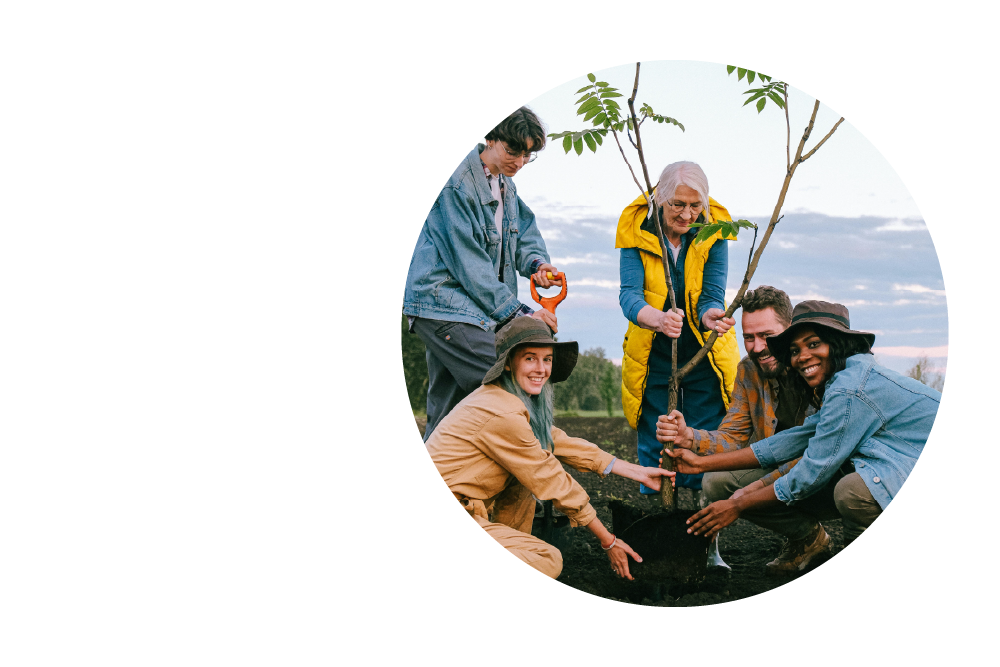
It may seem like a small step, but every conscious choice matters. If each of us committed to at least one of these 10 sustainable choices plus the extra one, the collective impact would be enormous.
See how sustainability and well-being can go hand in hand? By advocating for inclusive sustainability, people with disabilities are not just joining the climate movement; they are leading it.
At Passion4Social, we are here to amplify this impact. Let’s celebrate progress, not perfection. So, what green choice are you making today?
Share via social media:


You may also like...
Website accessibility audits: How Passion4Social can help UK businesses
Discover how a website accessibility audit can help UK businesses...

What is an accessibility audit (and do you really need one)?
This article explores how accessibility audits identify digital barriers, why...
10 simple steps to writing accessible content
Learn how to make your content easier to find, understand,...
More accessibility, more green solutions
In this blog, we look at the ways accessibility drives...

We stopped looking at CVs; Look what we found instead
With summer in full swing, we recruited people with lived...
Teaching digital accessibility early: The future of inclusive education
In this article: Why accessibility should be integrated in education...
Accessibility beyond websites: The rise of accessible everything
In today’s blog, you will read about: How digital accessibility...

Accessible Content Does Not Need to Be Dull
Who says accessible content has to be boring? Some people...

Digital Accessibility in Action: The Platforms, Creators and Advocates Amplifying Disabled Voices
As we tell anyone who will listen, creating accessible digital...

What you need to know about WCAG 3.0
October 28, 2026 , 12 pm - 1 pm GMT

Accessible images: The art of alt text
November 25, 2026 , 12 pm - 1 pm GMT

Overlays vs lived experience users: Shortcut or setback?
Explore the arguments for two powerful approaches to digital accessibility: the convenience of automated overlays...

When “Save as PDF” isn’t enough: Why accessible PDFs require knowledge, planning, testing and time
In this article, you will discover: Polished-looking PDFs are not...

Digital poverty: Its impact and strategies for the future
Explore the everyday reality of being left behind in a digital-first age, and reimagine a...

The EAA one year on: What has really changed?
In this blog, you will read about: What has really...

The sales you never got to see and why digital accessibility could be the reason
How sales can be lost without ever appearing in your...

When accessibility is an afterthought: Voting remains a postcode lottery for disabled voters
In this blog, you will discover: How accessible voting exists...

Quick wins: 10 accessibility fixes you can implement now
In some circles, digital accessibility has a bad reputation, but...

The European Accessibility Act
A practical guide to the European Accessibility Act, explaining what...
Considering diversity in cyber security: Designing inclusive systems for disabled and neurodivergent users
Cyber security is no longer something that works away unobtrusively...