
September 21, 2026

Est 4 min
In this blog, we look at the ways accessibility drives sustainable innovation.
From inclusive mobility to universal design, we explore green solutions that align with the United Nations Sustainable Development Goals.
Accessibility is often associated with the digital world.
We immediately think of responsive websites, video captions, or screen readers, but it goes far beyond that.
Accessibility is also about how we move, consume, and interact with the physical environment, and here lies the central point: the more accessible our solutions are, the greener they become.
According to the United Nations, in a report published in 2011 by the World Health Organisation, 15% of the world’s population lives with some form of disability.
Including these people in sustainable policies and practices is not only social justice, but also a powerful environmental strategy.
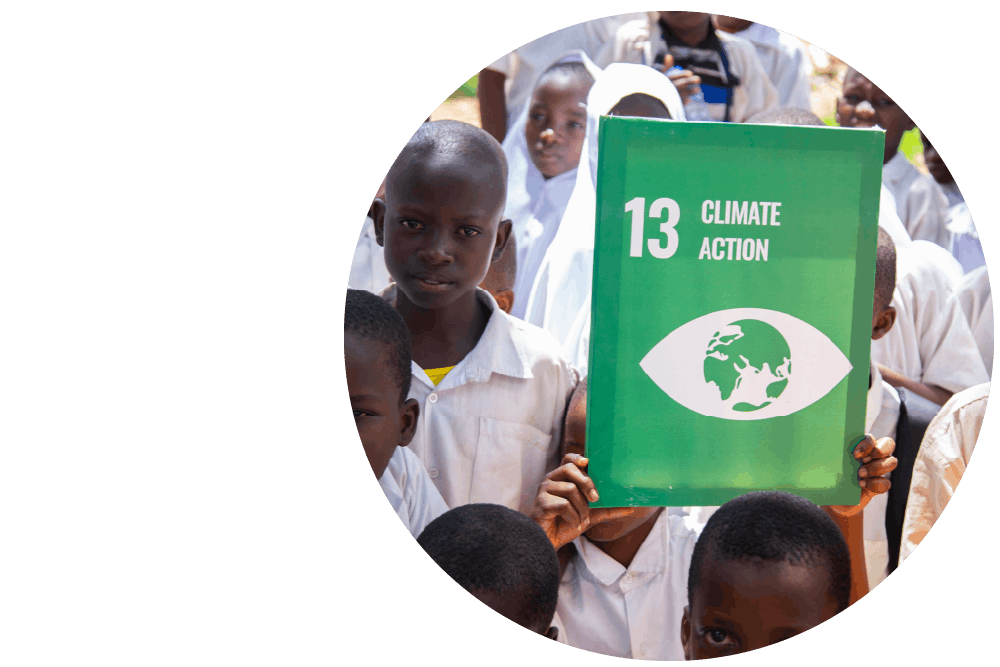
What are the Sustainable Development Goals (SDGs)?
In short, the Sustainable Development Goals (SDGs) are a set of 17 global action targets established by the United Nations in 2015 to eradicate poverty, protect the planet and ensure peace and prosperity by 2030.
Inclusive mobility and sustainable cities
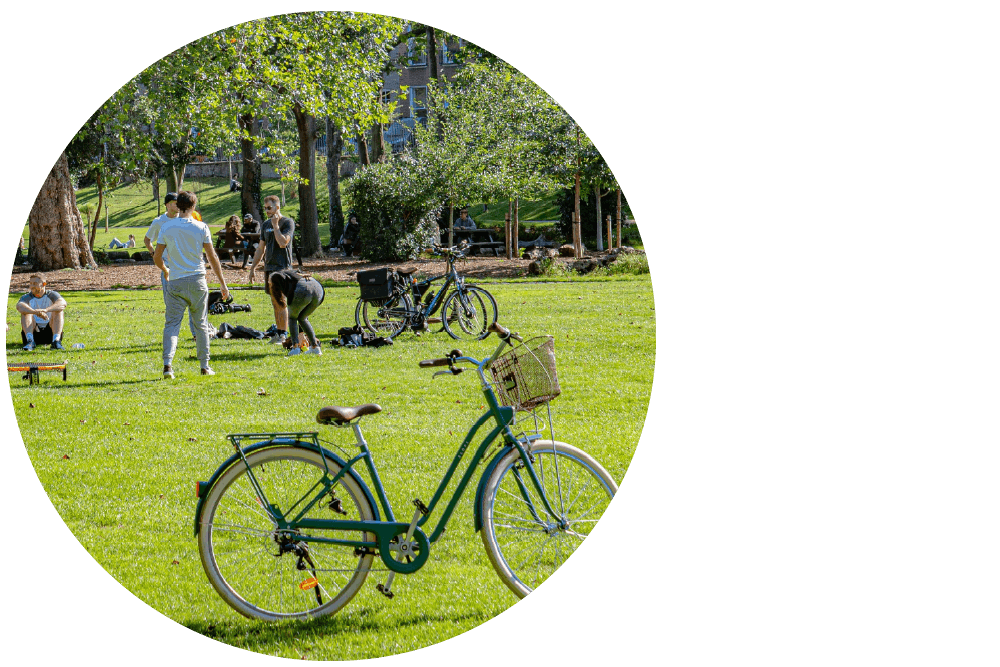
Cities that invest in accessible public transport reduce reliance on private cars, cutting carbon emissions.
Here are some examples:
- Copenhagen, Denmark: more than 62% of residents commute by bicycle daily, thanks to safe and accessible cycle lanes.
This drastically reduces urban pollution.
- Bogotá, Colombia: the TransMilenio system and the Ciclovía programme, which closes streets weekly for pedestrians and cyclists, are examples of inclusive and green mobility.
These initiatives are directly linked to Sustainable Development Goal (SDG) 11: Sustainable Cities and Communities.
Universal design for resource efficiency
Universal design prevents duplication and waste.
Instead of creating separate versions of products, packaging, and services, a single solution is designed to serve everyone.
This results in less waste, less energy consumption, and greater efficiency.
It is a practice aligned with SDG 12: Responsible Consumption and Production.
Green assistive technologies and clean energy
Accessible technology can be integrated into sustainable solutions.
For example:
- Since 2015, access to electricity has reached 92% of the global population and renewable energy capacity per capita grew by 14% between 2023 and 2024, according to the Tracking SDG7: The Energy Progress Report (2023).
- Low-energy devices that already include screen readers or voice commands demonstrate that accessibility and energy efficiency can go hand in hand, at an affordable cost too.
This connects accessibility to SDG 7: Affordable and Clean Energy.

Accessible green spaces for stronger communities
Parks and leisure areas designed for different physical needs encourage collective use and reduce pressure on private environments.
Consider these examples:
- Buenos Aires, Argentina: participatory projects in informal neighbourhoods created accessible and sustainable green spaces, strengthening vulnerable communities.
- Freiburg, Germany: the Vauban district combines solar housing, accessible transport, and car-free zones, showing how accessibility and sustainability can unite.
Inclusive circular economy and responsible consumption
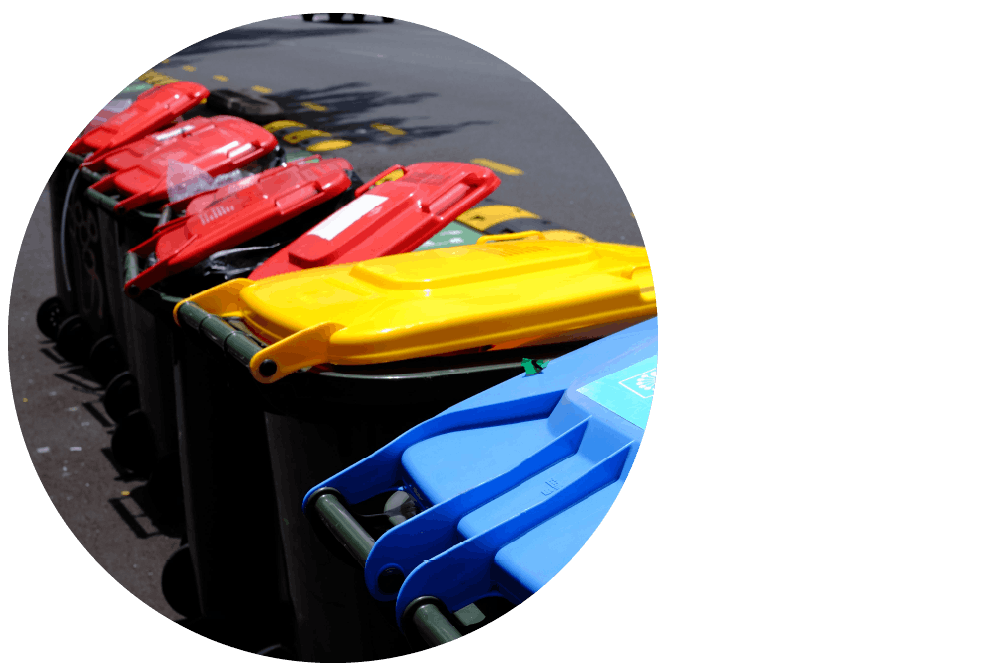
Recycling programmes only work if they are accessible.
Collection points must be easy to reach, and communication must be clear.
This ensures greater social participation and strengthens sustainable chains, aligning with SDG 12 and the principle of “leaving no one behind” from the 2030 Agenda.
Today, many recycling points are neither intuitive nor easy to understand, discouraging people from making recycling a habit.
That’s a challenge worth addressing.
Accessibility and sustainability: A shared future
Accessibility and sustainability are not separate agendas.
More than ever, they reinforce each other.
The more accessible our solutions are, the greener they become.
We want to show that accessibility is not an extra cost, but an opportunity for green innovation.
By including everyone, we expand the impact of sustainable solutions and accelerate the achievement of the SDGs.
For us, this means seeing accessibility as a driver of transformation: it not only improves the lives of millions of people, but also strengthens the ecological future we all need.
If you’re looking to explore how to align your personal habits with these goals, check out our guide on 10 sustainable choices for a greener lifestyle.
Keep accessibility in mind as a driver of green innovation.
Subscribe to our newsletter and follow us on LinkedIn to learn more about how Passion4Social can support your accessibility journey.
Share via social media:


You may also like...
Website accessibility audits: How Passion4Social can help UK businesses
Discover how a website accessibility audit can help UK businesses...

What is an accessibility audit (and do you really need one)?
This article explores how accessibility audits identify digital barriers, why...
10 simple steps to writing accessible content
Learn how to make your content easier to find, understand,...

We stopped looking at CVs; Look what we found instead
With summer in full swing, we recruited people with lived...
Teaching digital accessibility early: The future of inclusive education
In this article: Why accessibility should be integrated in education...
Accessibility beyond websites: The rise of accessible everything
In today’s blog, you will read about: How digital accessibility...

Accessible Content Does Not Need to Be Dull
Who says accessible content has to be boring? Some people...

Digital Accessibility in Action: The Platforms, Creators and Advocates Amplifying Disabled Voices
As we tell anyone who will listen, creating accessible digital...

What you need to know about WCAG 3.0
October 28, 2026 , 12 pm - 1 pm GMT

Accessible images: The art of alt text
November 25, 2026 , 12 pm - 1 pm GMT

Overlays vs lived experience users: Shortcut or setback?
Explore the arguments for two powerful approaches to digital accessibility: the convenience of automated overlays...

When “Save as PDF” isn’t enough: Why accessible PDFs require knowledge, planning, testing and time
In this article, you will discover: Polished-looking PDFs are not...

Digital poverty: Its impact and strategies for the future
Explore the everyday reality of being left behind in a digital-first age, and reimagine a...

The EAA one year on: What has really changed?
In this blog, you will read about: What has really...

The sales you never got to see and why digital accessibility could be the reason
How sales can be lost without ever appearing in your...

When accessibility is an afterthought: Voting remains a postcode lottery for disabled voters
In this blog, you will discover: How accessible voting exists...

Quick wins: 10 accessibility fixes you can implement now
In some circles, digital accessibility has a bad reputation, but...

The European Accessibility Act
A practical guide to the European Accessibility Act, explaining what...
Considering diversity in cyber security: Designing inclusive systems for disabled and neurodivergent users
Cyber security is no longer something that works away unobtrusively...
When a click becomes exhausting: The hidden mental health cost of inaccessible design
Inaccessible digital design carries a hidden mental health cost, moving...