• Skip to main content

Passion4Social

  • Home
  • Our Services
    • All Accessibility Services
    • Accessibility Audit Services
    • Accessibility Overlay
    • Accessible Websites
    • Accessible Marketing and Comms
    • FAQs
  • Our Impact
    • Impact
    • Impact reports
    • Our story
    • Our team
    • Join our Board
  • Engage and Learn
    • Free webinars
    • Blog
    • Ebooks
  • Contact
You are here:
Engage and learn - The accessibility trends you need to know about in 2026
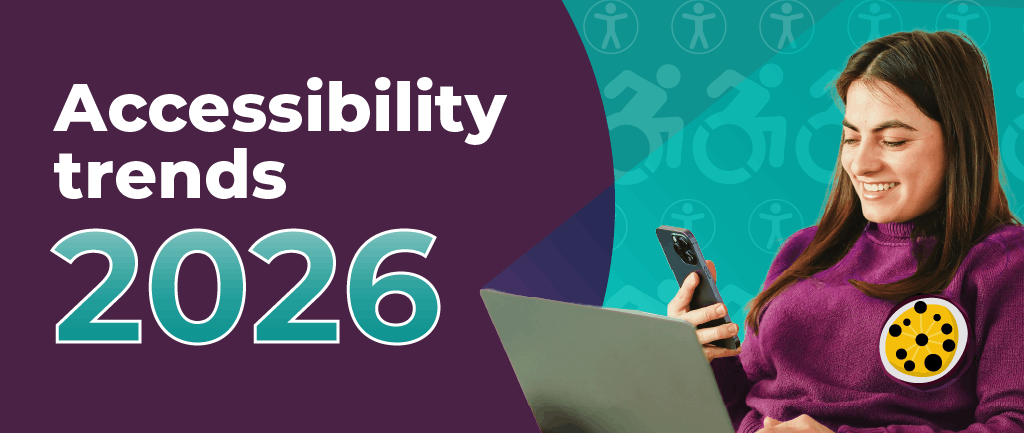
Text reads: ‘Accessibility trends 2026’. To the right is a smiling person against a teal background patterned with repeating disability and accessibility icons. They are using a laptop computer and holding a mobile phone up with one hand

The accessibility trends you need to know about in 2026

Passion4Social

December 15, 2025

Est 5 min

Digital accessibility is no longer a distant ambition or a niche topic reserved for developers and designers. As we move into 2026, it is defining ethical digital practice.

“Accessibility for All” is not a catchy seasonal slogan or a one-month campaign during Disability History Month. It is the foundation on which responsible organisations will design, communicate and operate from now on.

It also happens to be the name of our flagship initiative here at Passion4Social.

Yet accessibility trends can sometimes seem intimidating. The acronyms are long, the language can be heavy, and guidance is often presented in dense technical documents.

That’s why this blog aims to keep things simple and clear. No jargon overload and no expert gatekeeping. Just the essential trends that every organisation should know as we enter a new year, full of promise.
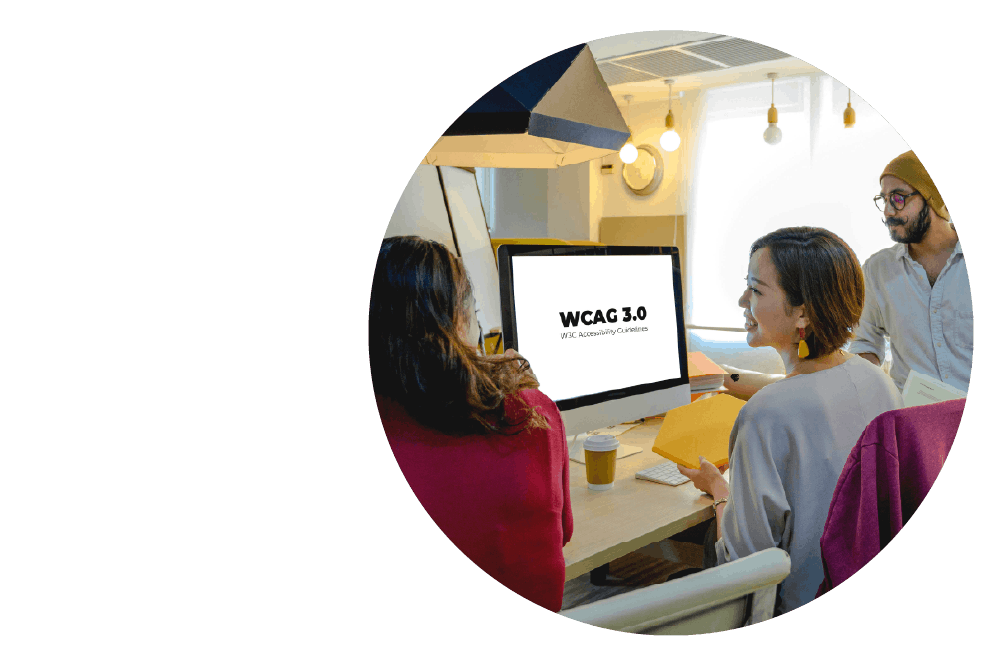
three people gathered around a desk with a computer. The first person has their back to the camera, the next is facing them and smiling, and the third person is looking at the computer. Text on the computer’s screen reads: WCAG 3.0

The arrival of WCAG 3.0: A friendlier, more human-centred standard

One of the most significant changes in 2026 will be the gradual introduction of WCAG 3.0, the next generation of the Web Content Accessibility Guidelines. If you think the current 2.0 series feels rigid or overly technical, WCAG 3.0 promises to bring greater flexibility and clarity.

Instead of relying on pass-or-fail rules, the new model considers outcomes, user experience and how well digital products function for real people with everyday access needs.

Don’t be fooled, though; it is far from a relaxed version of accessibility.

Instead, it is a more intelligent and realistic one that should reduce anxiety around compliance for organisations.

For disabled users, it signals an era in which digital spaces are designed with empathy rather than obligation.

a person wearing a headscarf and looking down at a laptop computer. They are smiling and using their hands to form a heart shape against their chest.

What does WCAG 3.0 really mean in practice?

Although WCAG 3.0 will not become an official standard immediately, its structure is already shaping conversations about accessibility.

The following elements are key to understanding how the updated guidelines will influence 2026:

  • From pass-or-fail to measurable outcomes: WCAG 3.0 replaces strict checklists with outcomes rated on a scale.
  • Critical errors that mean non-compliance: some issues remain non-negotiable because they block access entirely, including missing alternative text or low colour contrast.
  • Functional categories: WCAG 3.0 also groups guidance according to disability types, including visual, auditory, physical, cognitive and neurological differences.
  • Two complementary testing approaches: atomic tests, which evaluate individual elements such as contrast, and holistic tests, which examine entire journeys for users with assistive technologies.

two people conversing using sign language. The first person is facing the second their torso, and their hands are visible within the frame. The second person is facing away from the camera and only their hands are visible.

Accessibility beyond websites: The rise of inclusive everything

Accessibility is no longer limited to websites or apps. In 2026, the question becomes, “Is every touchpoint welcoming and barrier-free?”

This includes:

  • Digital documents
  • Customer service processes
  • E-commerce experiences
  • Social media content
  • In-person digital touchpoints, such as kiosks or QR menus

A single inaccessible step in the journey can compromise someone’s entire experience. The expectation for 2026 is consistency across all channels.
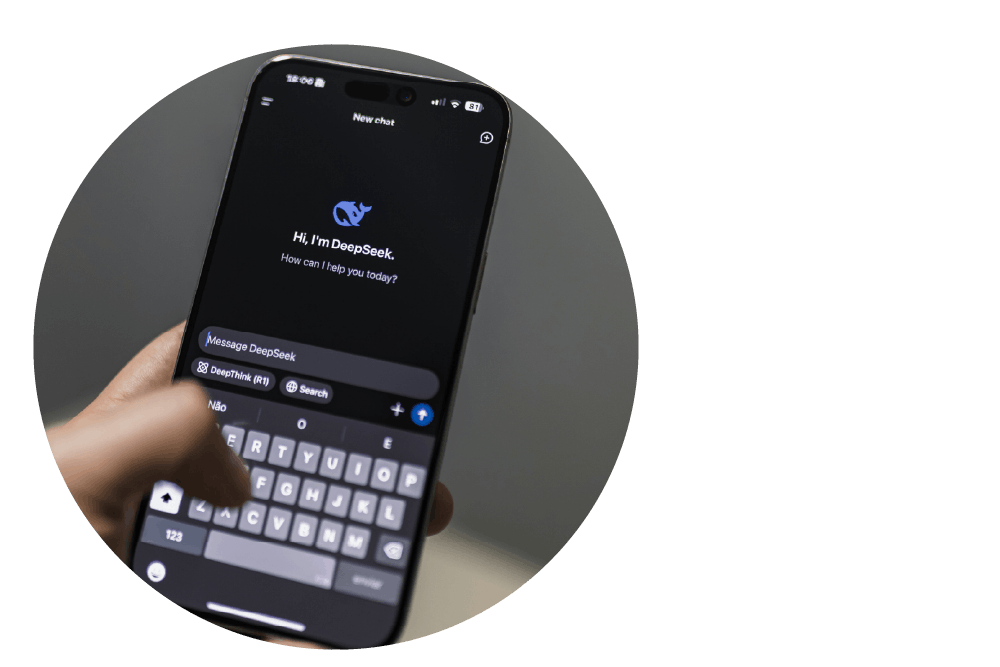
a close-up view of a hand holding a mobile phone. The screen displays the DeepSeek AI interface and keyboard, with a thumb hovering over the keys.

Artificial intelligence that empowers rather than excludes

So far, AI has had a mixed impact on accessibility. Some tools improve the user experience; others create new barriers. In 2026, we will see a new generation of AI designed with inclusion in mind.

Examples include:

  • More accurate text-to-speech tools
  • AI-driven captioning that understands accents
  • Automatic image descriptions
  • Interfaces that adjust reading levels
  • Virtual assistants that support navigation

The direction is positive and full of potential for reducing digital barriers.
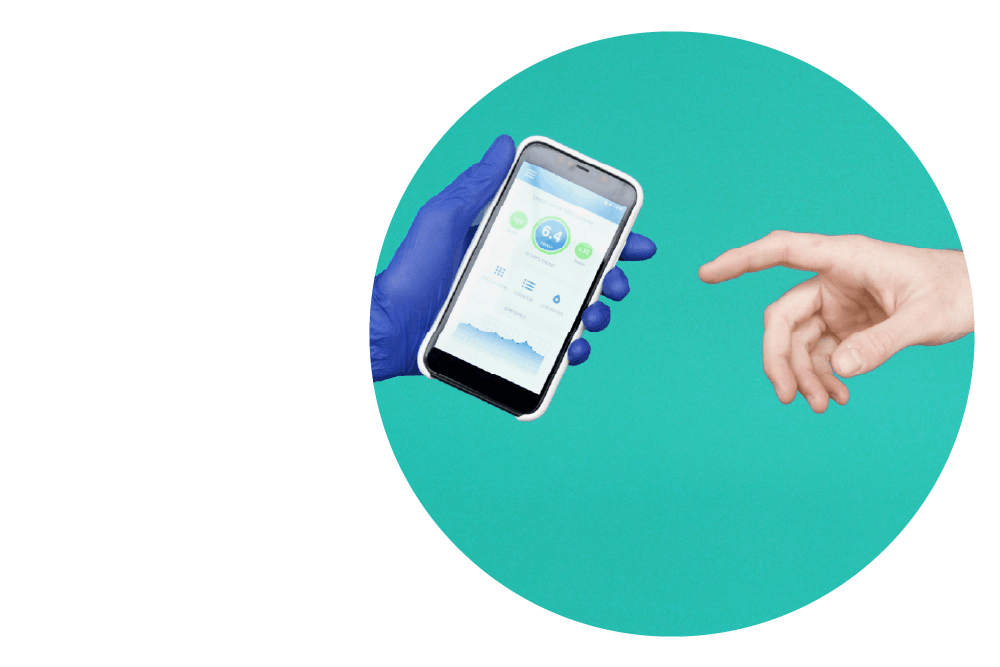
two hands against a turquoise background. The first hand is holding a mobile phone and wearing a blue latex glove. The second is reaching towards the first with the index finger pointing forward.

The growing minimum digital standard movement

Across Scotland and the wider UK, 2026 will bring heightened attention to essential digital access.

Governments and organisations will increasingly focus on minimum digital standards for services such as:

  • Healthcare platforms
  • Benefits and employment services
  • Education portals
  • Public transport information
  • Local authority websites

Denying access through poor design is a form of exclusion, and in 2026, we will at last see organisations held to higher ethical expectations.
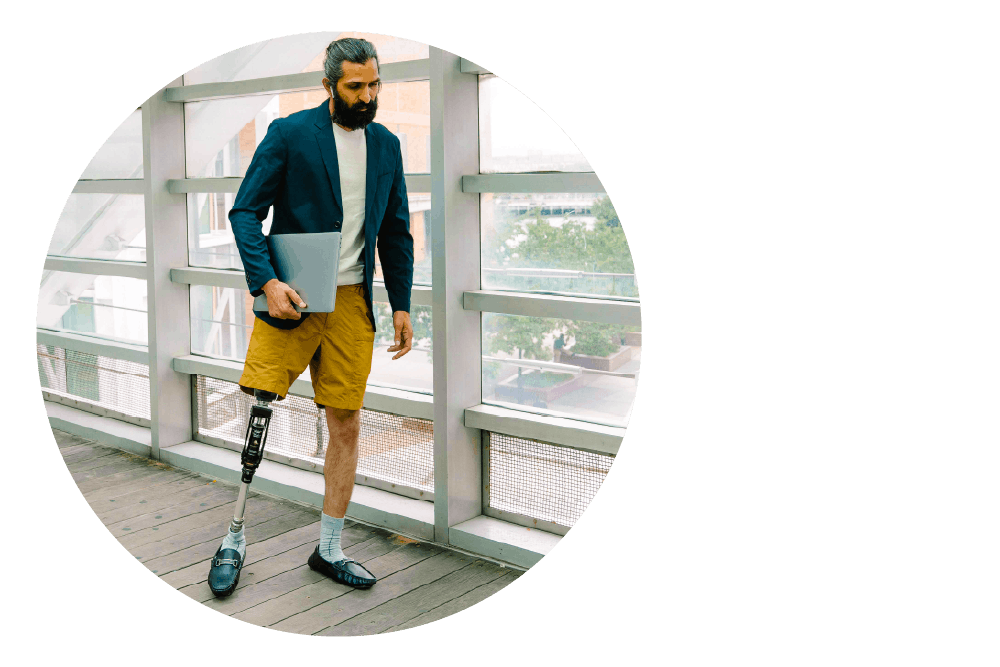
a person standing in bright daylight in front of floor-to-ceiling windows. They are wearing earphones, using a prosthetic leg, and holding a laptop computer.

Accessibility as a corporate value

Accessibility is shifting from a technical requirement to an organisational culture.

In 2026, organisations that are committed to digital inclusion will:

  • Train employees across all departments
  • Allocate budgets for accessibility improvements
  • Include disabled voices in leadership
  • Conduct regular audits
  • Recognise Disability History Month in a meaningful way

When accessibility becomes a shared responsibility, inclusion becomes far more sustainable.

a smiling person sitting at a desk using a laptop computer. They are looking down at the screen with one hand hovering over the keyboard and the other raised as if waving hello.

Plain language as a core accessibility practice

People want clarity. They want communication that respects their time and cognitive load.

Plain language supports users who are:

  • Neurodivergent
  • Learning new languages
  • Busy, overwhelmed, or stressed

In 2026, plain language will become one of the strongest accessibility tools available to organisations.
a tattooed wrist and hand using a can of spray paint on a wall decorated with brightly coloured shapes.

Accessible content with personality

Accessible content does not need to be dull.

In 2026, organisations will embrace more personality in their communication, including:

  • Friendly microcopy
  • Humorous error messages
  • Inclusive illustrations
  • Creative storytelling
  • Bold colours with proper contrast

Accessibility is about people, and people respond to warmth, honesty and authenticity.

a smiling person wearing a Santa hat and sitting at a desk. They are holding a festive red mug in one hand and using a computer keyboard with the other.

Final thoughts

Before we head off for a much-needed festive break, let us leave you with some food for thought: accessibility for all begins with everyday choices, including your choices.

The strongest trend for 2026 is accountability. Organisations will be expected to embed accessibility into everyday decisions, from design and writing to leadership and communication.

The power to remove barriers lies not only in standards but in culture. Accessibility for all should be a daily practice, and 2026 will be the year in which this practice becomes the norm. Be part of the process too, and make a difference.

Happy holidays!

Share via social media:

FacebookLinkedIn

You may also like...

Articles & Guides
Two smiling young people, lying on the floor in front of an open laptop computer, surrounded by books and school bags. An illustrative pencil graphic draws a line across the image from an accessibility icon drawn on the laptop lid. Passion4Social (logo).

Teaching digital accessibility early: The future of inclusive education

In this article: Why accessibility should be integrated in education...
Digital accessibility Accessibility Digital Inclusion
Read article Teaching digital accessibility early: The future of inclusive education
Articles & Guides
A dark grey, textured ground surface with a painted yellow accessibility icon. Painted yellow text reads: ‘Accessibility beyond websites.’ Passion4Social (logo).

Accessibility beyond websites: The rise of accessible everything

In today’s blog, you will read about: How digital accessibility...

Accessibility Digital Inclusion
Read article Accessibility beyond websites: The rise of accessible everything
Articles & Guides
Accessibility does not need to be dull – Quiz

Accessible Content Does Not Need to Be Dull

Who says accessible content has to be boring? Some people...

Quiz Accessibility Digital Inclusion
Read article Accessible Content Does Not Need to Be Dull
Articles & Guides
Amplifying disabled voices — Disability Pride Month, illustrated with a megaphone graphic

Digital Accessibility in Action: The Platforms, Creators and Advocates Amplifying Disabled Voices

As we tell anyone who will listen, creating accessible digital...

Accessibility Digital Inclusion
Read article Digital Accessibility in Action: The Platforms, Creators and Advocates Amplifying Disabled Voices
Upcoming free webinar
What you need to know about WCAG 3.0

What you need to know about WCAG 3.0

October 28, 2026 , 12 pm - 1 pm GMT

WCAG Accessibility Digital Inclusion
Register What you need to know about WCAG 3.0 (Opens in a new window)
Upcoming free webinar
A person holding an SLR camera up to their eye, looking through the lens and smiling against a teal background with a halftone pattern and purple circles. Text reads: ‘Accessible images: The art of alt text. Wednesday 25th of November, 12 pm GMT.’ Passion4Social (logo).

Accessible images: The art of alt text

November 25, 2026 , 12 pm - 1 pm GMT

Accessibility Digital Inclusion
Register Accessible images: The art of alt text (Opens in a new window)
Upcoming free webinar
A person with a prosthetic arm, posing confidently with their arms crossed and a warm smile against a pink background. Text reads: ‘Overlays vs lived experience users: Shortcut or setback? Wednesday 26th of August, 12 pm BST.’ Passion4Social (logo)

Overlays vs lived experience users: Shortcut or setback?

August 26, 2026 , 12 pm - 1 pm BST

Accessibility Digital Inclusion
Register Overlays vs lived experience users: Shortcut or setback? (Opens in a new window)
Articles & Guides
A person using a laptop computer at a wooden desk. Overlapping the laptop screen is a grey and white sad face graphic and a pink document graphic that reads: ‘PDF’. Passion4Social (logo).

When “Save as PDF” isn’t enough: Why accessible PDFs require knowledge, planning, testing and time  

In this article, you will discover: Polished-looking PDFs are not...

PDFs Accessibility
Read article When “Save as PDF” isn’t enough: Why accessible PDFs require knowledge, planning, testing and time  
Upcoming free webinar
A person holding a mobile phone and looking down at the screen with a serious expression against a teal background. Text reads: Digital poverty: Its impact and strategies for the future. Wednesday 23rd of September, 12 pm BST. With guests: Department for Work & Pensions, Lead Scotland. Passion4Social (logo)

Digital poverty: Its impact and strategies for the future

September 23, 2026 , 12 pm - 1 pm BST

Digital Inclusion
Register Digital poverty: Its impact and strategies for the future (Opens in a new window)
Articles & Guides
A laptop computer open on a desk. The screen displays the flag of the European Union with a white accessibility icon and ‘EAA’ at the centre. Passion4Social (logo).

The EAA one year on: What has really changed?

In this blog, you will read about: What has really...

Accessibility
Read article The EAA one year on: What has really changed?
Articles & Guides
A yellow background with a shopping cart. A white bar with a cursor reads: ‘Continue?’

The sales you never got to see and why digital accessibility could be the reason

How sales can be lost without ever appearing in your...

Accessibility
Read article The sales you never got to see and why digital accessibility could be the reason
Articles & Guides
When accessibility is an afterthought – Part 5" — hand placing a ballot in a box

When accessibility is an afterthought: Voting remains a postcode lottery for disabled voters

In  this blog, you will discover: How accessible voting exists...

Accessibility
Read article When accessibility is an afterthought: Voting remains a postcode lottery for disabled voters
Articles & Guides
Graphic with the text '10 quick accessibility wins' alongside a universal accessibility icon

Quick wins: 10 accessibility fixes you can implement now

In some circles, digital accessibility has a bad reputation, but...

Accessibility
Read article Quick wins: 10 accessibility fixes you can implement now
Accessibility Digital Inclusion
ebook cover for The European Accessibility Act

The European Accessibility Act

A practical guide to the European Accessibility Act, explaining what...
Download The European Accessibility Act
Articles & Guides
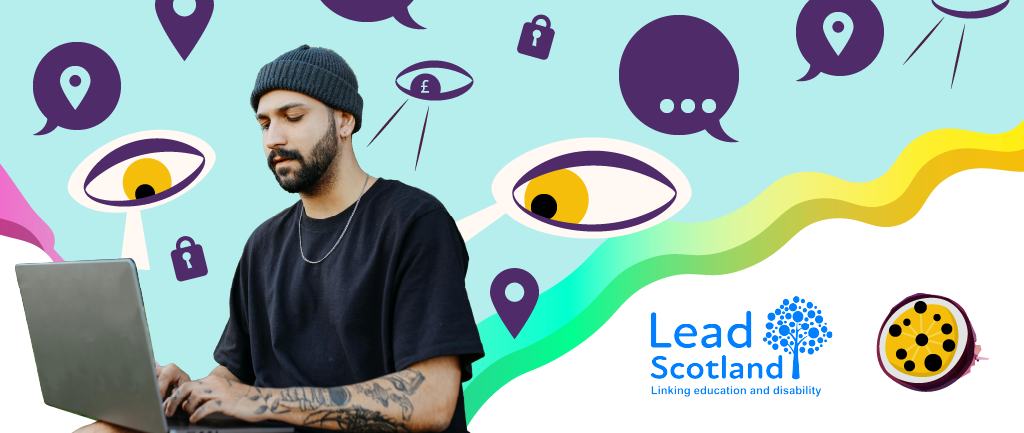
A man using a laptop is surrounded by eyes looking at his screen. There are location icons, speech bubbles and locks to symbolise online security. Lead Scotland and Passion4Social logos

Considering diversity in cyber security: Designing inclusive systems for disabled and neurodivergent users

Cyber security is no longer something that works away unobtrusively...

Cybersecurity
Read article Considering diversity in cyber security: Designing inclusive systems for disabled and neurodivergent users
Articles & Guides
A hand using a computer mouse and a white exclamation mark are outlined with green and black jagged shapes. Passion4Social (logo).

When a click becomes exhausting: The hidden mental health cost of inaccessible design

Inaccessible digital design carries a hidden mental health cost, moving...

Read article When a click becomes exhausting: The hidden mental health cost of inaccessible design
Articles & Guides
A person using a wheelchair while working on an open laptop computer against a teal background. Passion4Social (logo).

Technical expertise built on lived experience: Why our testers notice what others miss

Authentic accessibility goes beyond technical terminology or compliance with legal...

Read article Technical expertise built on lived experience: Why our testers notice what others miss
Articles & Guides
Illustrative depiction of neurodiversity showing colourful silhouettes of people and outlines of the human brain. Passion4Social (logo)

Exploring assistive tech in cyber security tools

With CYBERUK 2026 on the horizon, Net-Defence and Passion4Social CIC...

Accessibility Digital Inclusion
Read article Exploring assistive tech in cyber security tools
Articles & Guides
A group of three diverse women gathered around an open laptop computer, looking down at the screen and smiling. Passion4Social (logo)

Who is being left behind? The entry point is digital

Digital inaccessibility is a significant structural barrier that widens the...

Accessibility Digital Inclusion
Read article Who is being left behind? The entry point is digital
Articles & Guides
The torso of a person wearing a stethoscope around their neck and green medical scrubs. Bold black text against a yellow background reads: Patients pay the price

When accessibility is an afterthought: Patients pay the price

Government organisations and institutions spend millions on cybersecurity, protecting their...

Accessibility
Read article When accessibility is an afterthought: Patients pay the price

Ready to take action?

The sooner you start on your accessibility journey, the sooner everyone can benefit from your inclusive online presence.

Start your accessibility journey
People and planet first logo with text underneath stating Verified social enterprise
Living hours employer logo
Cyber essentials certified logo
RNIB visibly better logo
Disability confident employer logo
Living wage employer logo
Edinburgh social enterprise network logo
Scottish union of supported employment SUSE logo
social firms Scotland logo
The good stuff community Edinburgh logo
National lottery community fund logo
Gsen Glasgow Social Enterprise Network logo
p4s_section-3_logo-ses

Back to top

Let's Connect

01506 353625 enquiries@passion4social.com

Copyright © 2025 Passion4Social

Socials

Subscribe
  • Privacy Policy
  • Terms and conditions
  • Sitemap
  • Accessibility Statement
Manage Cookie Consent
To provide the best experiences, we use technologies like cookies to store and/or access device information. Consenting to these technologies will allow us to process data such as browsing behaviour or unique IDs on this site. Not consenting or withdrawing consent, may adversely affect certain features and functions.
Functional Always active
The technical storage or access is strictly necessary for the legitimate purpose of enabling the use of a specific service explicitly requested by the subscriber or user, or for the sole purpose of carrying out the transmission of a communication over an electronic communications network.
Preferences
The technical storage or access is necessary for the legitimate purpose of storing preferences that are not requested by the subscriber or user.
Statistics
The technical storage or access that is used exclusively for statistical purposes. The technical storage or access that is used exclusively for anonymous statistical purposes. Without a subpoena, voluntary compliance on the part of your Internet Service Provider, or additional records from a third party, information stored or retrieved for this purpose alone cannot usually be used to identify you.
Marketing
The technical storage or access is required to create user profiles to send advertising, or to track the user on a website or across several websites for similar marketing purposes.
  • Manage options
  • Manage services
  • Manage {vendor_count} vendors
  • Read more about these purposes
View preferences
  • {title}
  • {title}
  • {title}